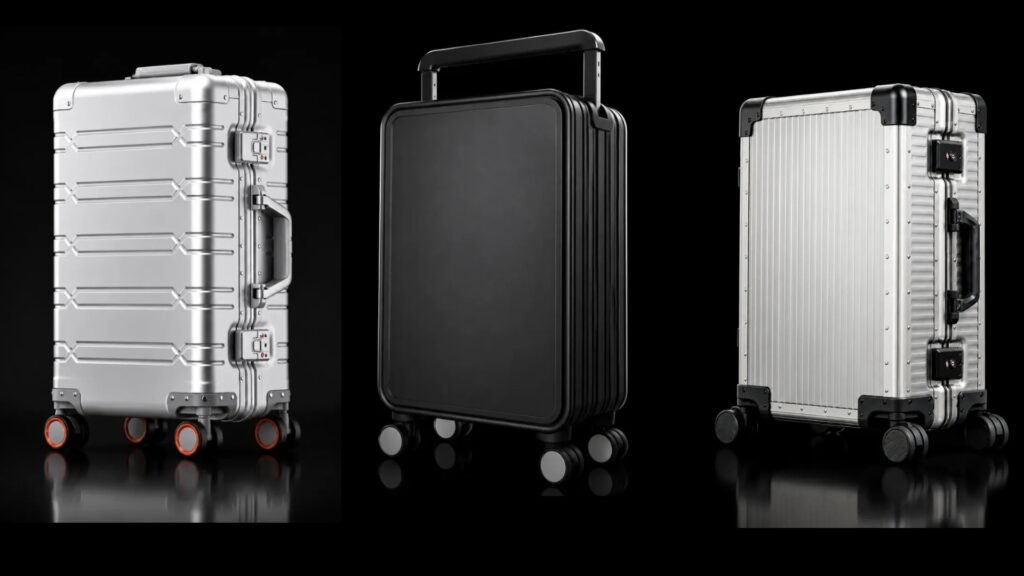
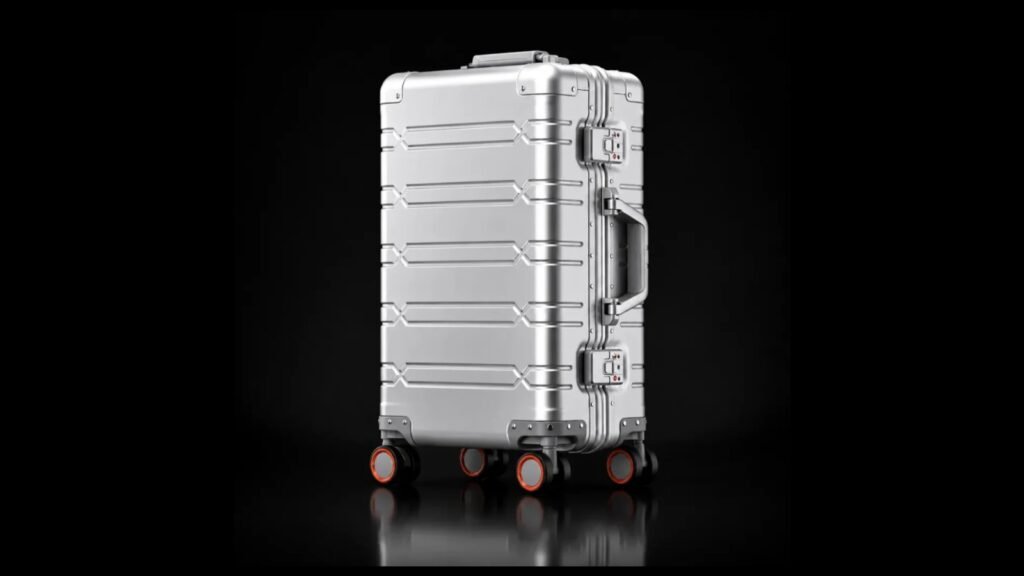
Aluminum Luggage Finishes: How to Choose
To choose an aluminum luggage finish, start with the texture, color and gloss you want, then select the processes that produce that appearance. Brushing and anodizing can be used together. “Matte black” can also describe several different textures, so those two words alone do not define the finished case.
For a restrained appearance that retains a metallic character, compare a fine brushed surface with a fine matte surface. Then view each alongside the frame, corner guards, locks and handles. If the brand wants stronger reflections or needs the case to coordinate with an existing collection, make gloss and color matching part of the selection from the start.
A useful brief identifies which details must stay and which can change. You may like the black in a reference photo without wanting its coarse texture. You may want a silver frame without wanting every lock and handle to be equally bright. Separating those choices gives the factory a basis for putting a proposal together.
What do brushed, fine matte and glossy finishes look like?
Brushed: compare the direction and fineness of the grain
A brushed surface has visible directional lines. The grain affects how light reflects, so the appearance can change between a front view and an angled view. A fine grain can retain a subtle metallic sheen, while more pronounced lines make the direction a stronger part of the design.
If the brand wants a clean appearance with visible metal texture, start by comparing fine brushed surfaces. Specify more than “brushed silver” or “brushed black”: look at grain size, direction and whether the front and back shells follow the same appearance requirements.
For example, a front panel may have a vertical grain while the frame reflects light in another direction. Put the parts together to judge that difference. It may suit the design, or it may call for a different combination. Decide how the whole case should look rather than selecting each part separately as “silver.”
Fine matte: compare reflections, surface texture and feel
A fine matte appearance has softer reflections. Some surfaces have no obvious direction; others retain a fine grain. They can also feel different to the touch. Blasting, chemical etching and other preparations can produce different matte effects. A photograph of a matte case does not identify the process used.
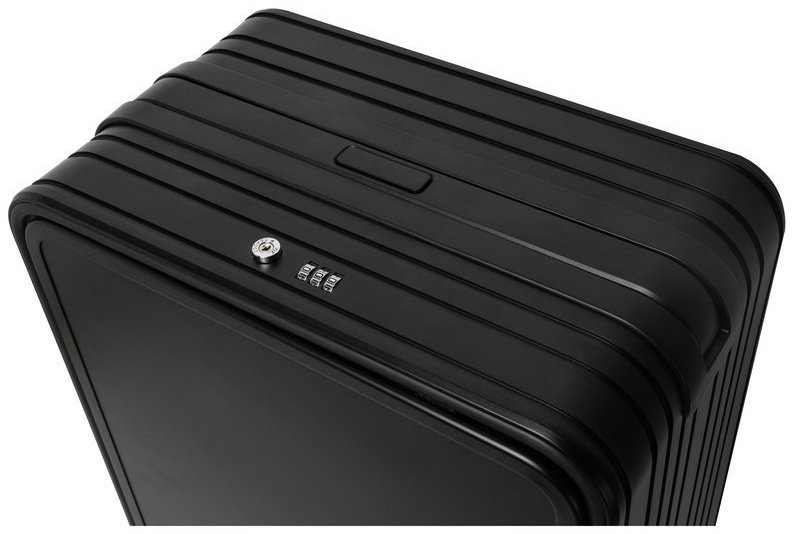
Our TS-005 wide-handle aluminum carry-on has a matte anodized finish and provides a starting point for discussing this appearance. After choosing the model, decide whether to retain its existing surface or adjust the texture, color and gloss.
If a customer asks for “more matte,” establish whether they want less reflection or less visible grain. Changing the shade alone may leave the unwanted reflections. Making the texture coarser may change the feel in a way they do not want. Comparing two clearly different samples is more useful than repeatedly asking for a “premium matte” finish.
Glossy: consider reflections alongside everyday handling
A glossy surface creates more concentrated reflections and can suit a design that makes metallic shine a focal point. Compare the large panels, corners and frame together to judge how much brightness works on the complete case.
For a quieter shell with bright metal details, compare a matte shell with a brighter frame or selected hardware. Check whether the bright areas highlight the intended features rather than making every component compete for attention.
On the sample, examine how visible fingerprints, wiping marks and fine scratches are, especially around areas people frequently grip or handle. Turn the case to different angles, then step back to view it as a whole. A single flattering studio angle is not enough for that decision.
Shell ribs and fine brushed grain are separate features. On a ribbed model such as TS-006, the ribs are part of the shell shape. The surface between them still has its own texture and gloss requirements. Changing the ribs involves the shell design; changing the fine surface grain is a different modification.
Can brushing and anodizing be used together?
Yes. Brushing mainly changes the surface texture, while anodizing forms an oxide layer on the aluminum. The two processes can be combined. Different surface preparations can give anodized aluminum luggage a fine brushed, fine matte or brighter appearance.
Describe texture, color, gloss and processing requirements together when comparing options. “Anodized” does not specify the underlying appearance. “Brushed” does not fully specify the subsequent surface treatment.
For example, you may want a black aluminum suitcase with a visible fine grain and restrained reflections. We can compare combinations of preparation and anodizing around that goal, then use samples to choose the result. This compares complete appearances instead of treating brushing and anodizing as two interchangeable product options.
If the case needs to coordinate with packaging or another product, provide a color code and a physical reference. The code helps establish the direction; the result on metal still needs a physical comparison. If the target is a more opaque solid color, include a painted finish in the discussion rather than fixing the process as anodizing before defining the appearance.
Our aluminum luggage manufacturing guide explains how materials, preparation, finishing and assembly relate. Define the appearance first, then choose a combination suitable for the model and its components.
How do silver, black and colored finishes show wear?
First separate fingerprints, light rubbing, scratches and impact dents. They have different causes, so “this color resists scratches” cannot answer all four concerns. Surface finishing also does not replace the shell construction in addressing impact deformation.
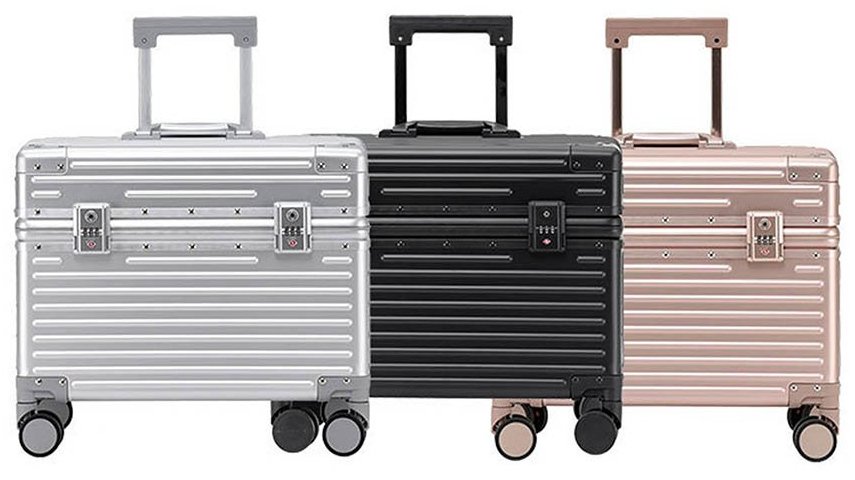
Color affects how noticeable a mark can be. If a scratch through a dark surface exposes a lighter substrate, the contrast may be pronounced. A silver surface can show a mark through a change in reflection even where the color is similar. Consider texture, gloss and the location of the mark alongside color.
For retail display and daily business use, the priority may be keeping frequently touched areas looking clean and making routine cleaning convenient. A collection intended for frequent checked travel also calls for a discussion of appearance over time and which areas need better protection. Selecting a matte finish does not settle those questions.
Compare the original samples under the same light, then use the same conditions to compare changes after handling and cleaning. For abrasion or coating-performance requirements, agree on both the method and the acceptable result. Marks made with different contact materials, forces or numbers of cycles do not provide a sound ranking of two finishes.
The TS-005 model information lists black, red, grey and silver, while TS-009 is also shown in silver, black and rose gold. These provide a starting point for choosing a color family. Once a color is selected, review the actual finish with the chosen hardware. One color chip cannot represent every construction and surface combination.
Should the shell, frame and hardware match or contrast?
Decide where the visual emphasis belongs. For a unified, restrained appearance, compare the shell and frame for both tone and gloss. To emphasize the construction, use brighter or contrasting frames, corner guards and hardware deliberately.
Matching colors does not mean using the same process on every part. The shell, frame, lock housings, handles and wheel housings may use different materials and have different surface conditions. Choosing anodizing for one aluminum part does not establish how every other component should be finished.
Start by comparing combinations such as these, then adjust them around the brand’s collection:
If a frame looks noticeably warmer than a shell it was meant to match, do not immediately recolor the entire case. Compare the parts under the same light and identify whether tone, gloss, texture or material is driving the difference. Then decide which part needs adjustment. Otherwise, correcting the frame may also move an already approved shell away from its target.
Include the logo in this comparison. A subtle mark on black luggage and branding intended to be clearly visible from a distance call for different choices. Decide how prominent the mark should be, then compare a badge, laser mark or print on the selected surface. Our custom luggage logo guide covers files, placement and dimensions.
View the front and side with the carry handle folded down and the trolley retracted. A component that looks attractive on its own may obscure the logo after installation or add an unwanted bright area to a restrained palette. Include these normal-use positions in the appearance review.
What changes the price and lead time of a finish update?
Identify the parts being changed before comparing processes. Updating only the shell color involves a different scope from coordinating new colors across the shell, frame, corner guards, trolley and locks.
If the model and fittings stay the same and you select from finishes already used, the discussion can focus on those options. A new texture, closer gloss control or a newly coordinated set of parts needs the trial finishing and assembled appearance review included in the quotation.
The number of colors also affects the work. The same total quantity in one color or several colors can require different processing batches, component allocations and sample approvals. List quantities by model and color rather than giving only an overall total. The factory can then identify shared work and work that needs separate handling.
If the request is to recolor an existing finished case, state whether the parts have already been surface-treated or remain unfinished. An assembled case may need disassembly and work on the existing finish. It cannot simply be quoted as the finishing of new components.
A reference image may change more than color: its ribs, corners or recesses may also differ. Those features involve the shell shape. We separate surface changes from structural changes to identify component, processing and tooling work rather than treating a development project as a routine color update.
When comparing quotations, ask them to cover the same appearance requirements: the parts included, texture and gloss, colors, and sampling work. That makes the source of a price difference clearer.
How do you move from reference photos to an approved case?
Identify what you actually like in each reference. Mark details such as “retain this fine grain,” “use this physical black reference” or “make the frame brighter, as in the other photo.” The references do not have to come from one suitcase, but the priorities need to be clear.
For example: “Start with the TS-005 shape and wide trolley. Retain a metallic appearance. Compare fine brushed black with a fine matte black that has no obvious grain direction. Keep gloss low. Start with a frame close in tone to the shell, and make the logo clear without dominating the front.” This gives us a basis for choosing the surfaces and components to compare.
Next, use finish samples to narrow down texture, color and gloss. Put them together under the same light and viewing conditions, and rotate directional textures. Record each sample’s material, finish and version so later discussions do not depend on a group of unidentified photos.
Where color consistency is a priority, compare lighter, darker or differently toned samples after selecting the target. Establish the acceptable range. If instrumental assessment is required, agree on the measurement method and acceptance range as well. A different phone photograph should not become a new definition of the color after the bulk order arrives.
Then review the selected shell, frame, corner guards, locks, handles and logo on the complete case. Small samples help select a surface, but they do not fully show how a large panel, corners and different components look together. If the problem is limited to adjacent parts, adjust those parts instead of restarting the entire design.
Finally, connect the approved samples with the order configuration. Retain texture, grain direction, gloss, component colors and sample versions as well as the color name. Our luggage sample approval guide explains how to define shared requirements and separate approvals across colors and sizes.
For repeat orders that need to coordinate with products already on sale, keep the original approved finish sample and a finished case as references. Tell us whether the old and new batches will be displayed together or sold as a set. That helps identify which parts need particular attention during comparison.
For your custom luggage project, send the base model, appearance references, brand color or physical sample, quantity per color, and the parts you want to retain or change. We can discuss finishing and coordinated component choices from that brief, then use finish samples and an assembled case to turn the selected appearance into production requirements.
Tell us about your luggage project
Share your preferred model, quantity and customization requirements.