How Long Does Custom Luggage Production Take?
For orders based on an existing model, our reference schedule is 20 days for sample development and 30–45 days for bulk production after specification approval. Allow separate time for sample shipping, your team’s review, revisions, and freight. If you need a new shell, a different opening, or a dedicated component, include the relevant design and development work in the schedule.
To plan a launch, restock, or event order, give us the date and location where the goods need to arrive. We can then work from the model, quantities, and changes you want to connect the sample, materials, production, inspection, packing, and shipping dates. The luggage production lead time covers one part of that plan. Your warehouse date depends on how the stages fit together.
Which date do you need the factory to meet?
“We need the cases before the event” is a good starting point. Specify where you need them. Delivery to a consolidation warehouse, handover to your carrier, and receipt at the event warehouse overseas each require a different schedule.
- Production completion marks the end of the manufacturing work defined in the order schedule.
- Ready for pickup means the agreed inspections, packing, and handover preparations are complete.
- Dispatch is when the goods leave under the confirmed transport plan. For ocean freight, record the cargo receiving cutoff and sailing date separately.
- Warehouse receipt is when the destination warehouse can actually receive the shipment after the applicable clearance and delivery steps.
If your launch depends on receipt, photography, and distribution to stores, leave time for each of those tasks after delivery. When you agree on the factory schedule, record the starting event, whether it uses working or calendar days, and who is arranging each leg of transport.
How does the schedule change if you need a new shell?
Start by deciding which parts of the case to keep and which to change. An existing model gives you a shell, opening, and mounting points to work with. A new case shape or size starts with a design and tooling review.
Keep the shell and customize the finish, branding, or interior
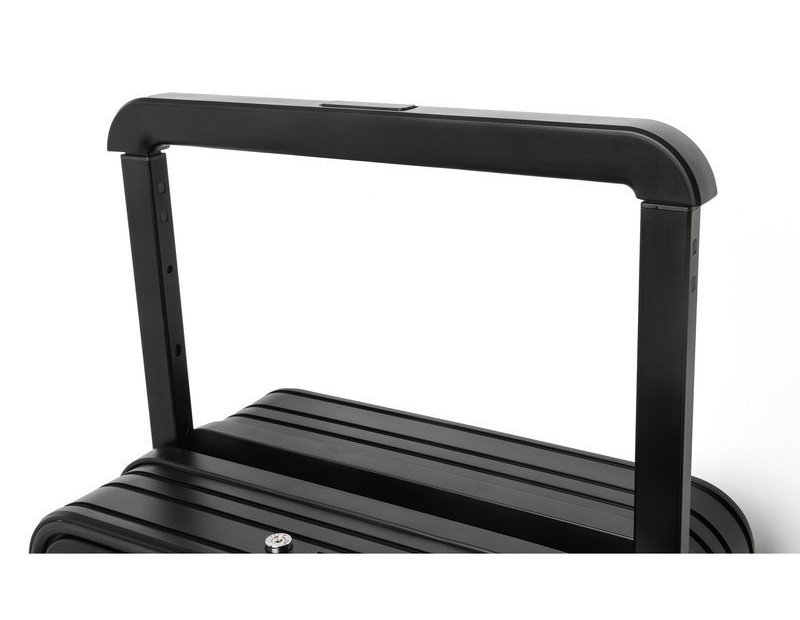
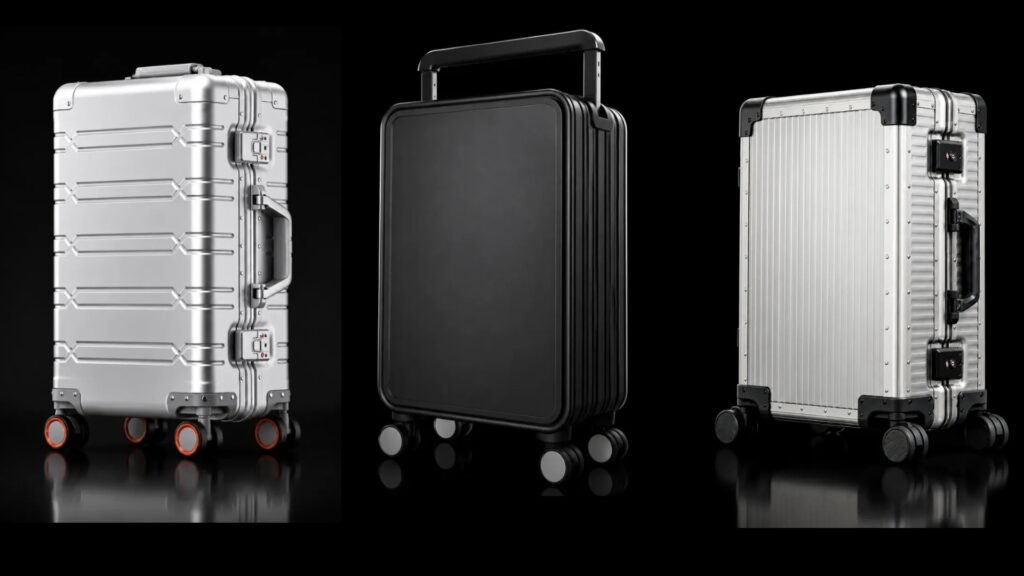
Our TS-005 wide-handle aluminum carry-on has a broad trolley grip and one main packing compartment. If those features suit your product, you can build the order around the finish, logo, lining, pockets, and packaging. Send the color reference, artwork, lining requirements, and quantities by configuration early so we can check materials and plan the sample.
An existing shell removes the need to develop that shell again. A special fabric, custom finish, or dedicated fitting may still need its own preparation. For a reorder, check the previous approved version and current availability of materials and fittings before planning around the last delivery date.
Change a fitting and check how it mounts
If you want a different trolley handle on TS-005, tell us what you need it to do. A rounder grip, a different button position, and a handle that can support a particular laptop bag lead to different reviews. We look at the grip, extension height, retracted position, mounting points, and the space the assembly takes up inside the case.
A grip option that works with the existing assembly may require less work than a change to the support brackets or mounting positions. Establish the scope before setting a sample date.
Set a separate development schedule for a new case structure
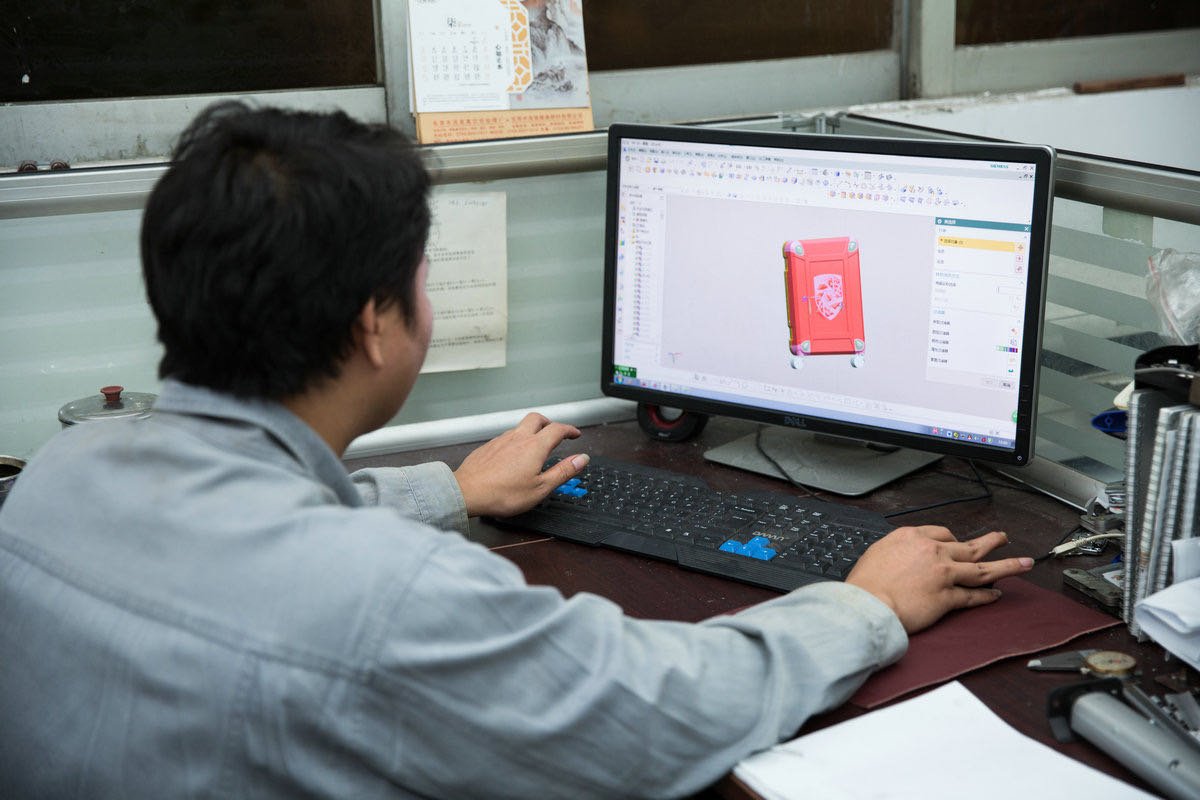
A change in dimensions, shell profile, or opening may affect the frame, hinges, latches, and packing layout together. Settle those relationships in the design. Where dedicated tooling is needed, plan for tooling, trial parts, and a sample that shows the proposed construction.
After the tool is finished, check whether the trial parts fit, the assembled case operates as expected, and the sample represents the specified finish and configuration. Record tooling completion, sample approval, and readiness for bulk production as separate dates.
We support both existing-model customization and new case development. The work on your schedule depends on which parts of the design you need to change. Review both routes on our custom luggage development page.
How do you work back from the warehouse date?
Start with the date the warehouse must receive the goods. Use the carrier’s schedule and the warehouse’s receiving requirements to find the latest date the factory can have the shipment ready. Then confirm the production window and work back to the latest dates for specification approval and material availability.
| Stage | What to confirm | What affects the date |
|---|---|---|
| Warehouse receipt | Delivery location, receiving appointment, labels, and documents | Warehouse intake and any time needed for distribution or launch preparation |
| Transport | Mode, pickup, cargo cutoff, and destination handover | Booking, transit, applicable clearance, and final delivery |
| Inspection, packing, and release | Agreed checks complete, issues addressed, cartons and shipment records ready | Work already included in the production window and any separate inspection or test booking |
| Bulk production | The batch is made to the approved specification | Material readiness, factory scheduling, and the order in which configurations will be produced |
| Sample and specification approval | Appearance, function, and final configuration approved for the batch | Sample transit, buyer review, revisions, and any repeat checks |
| Design and development | Model, drawings, fittings, and tooling scope | Work needed to change the design, make tools, or produce trial parts |
A late approval and a late material delivery can both cost you the same production slot. Suppose the shells are on schedule but a specified latch has no confirmed delivery date. Include latch availability, assembly, and the final fit check before agreeing to a pickup date for the complete cases.
Tasks that run together only affect the next stage if they delay something it needs. Packaging artwork and a lining sample can be reviewed at the same time. If the lining remains open, approving the artwork does not clear the lining for production. If the factory can assemble the cases before the cartons arrive, assembly may stay on schedule while the pickup date moves.
Check what the production window includes before adding more time. When routine inspection and packing are already in that window, count them there. Schedule separately any agreed laboratory testing, third-party inspection, or rework that falls outside it.
What should buyers allow for during sampling?
Sample development, transit to the buyer, and the buyer’s review each need a date. Decide who will collect comments from design, purchasing, and sales. Send one set of decisions so the factory knows which parts to retain, which to revise, and which the sample has yet to show.
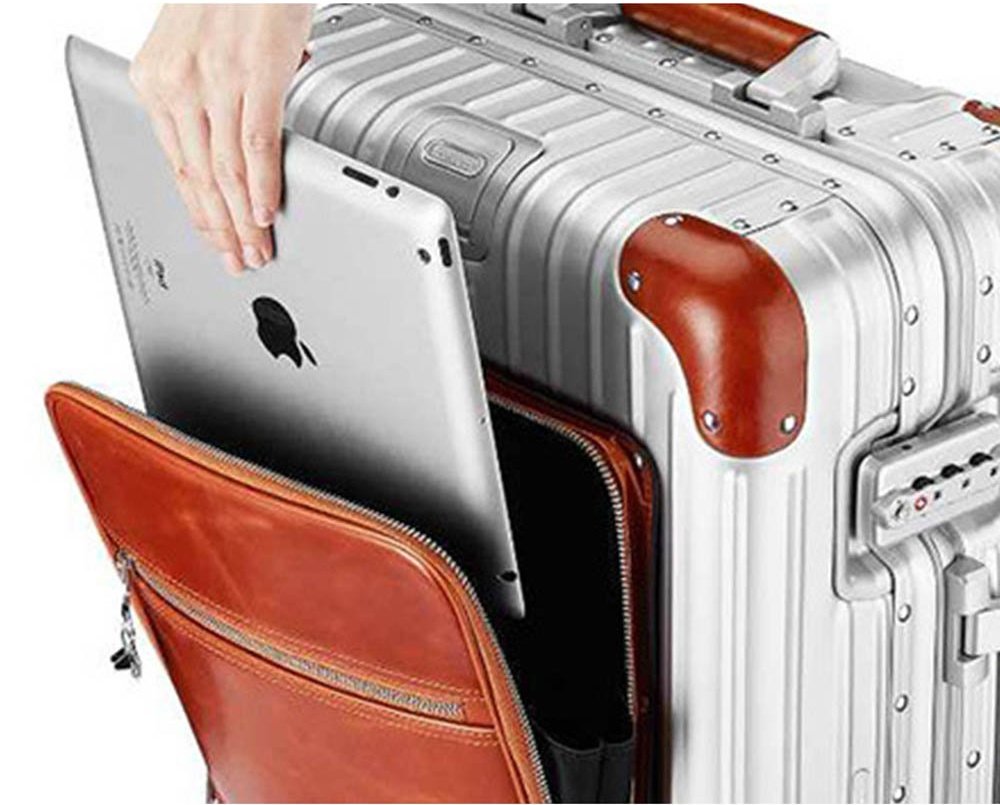
The TS-003 front-pocket aluminum carry-on has a separate zippered leather pocket and a framed main case with TSA combination latches. If you intend the pocket to hold a particular laptop, send the device dimensions with its protective sleeve. Include any documents that should fit alongside it.
If a thicker sleeve or another layer of documents is added after the first sample, review the pocket opening, loaded thickness, and clearance near the carry handle and latches. It is easier to schedule the correct sample when the intended contents are known before the layout is finalized.
Choose the evidence to match the change. If printed wording is wrong, start with the corrected artwork and verify the applied result as agreed. If the pocket opening is wider or the zipper follows a new path, check insertion, removal, and closure again with the intended contents. Set time aside for the revised sample, its delivery, and review, and check how long the original production slot can still be held. Use our sample approval guide for the full set of case checks.
Which changes can move the production date?
When a change arrives, check what has already been ordered, made, or approved. The same request can have a small effect in the design phase and a much larger one after materials have been processed.
Color and finish
Before color approval, a change may call for a new reference and another review of material availability. If shells or fittings have already been finished, assess whether those parts can be refinished to the agreed appearance or need replacing. Compare the shell, frame, latches, and handle bases together when they need to match. These parts can use different materials and processes even when they share a color name.
Logo and placement
A spelling correction before printing starts can begin with an artwork revision. Switching from print to a metal badge brings in badge production, attachment, and any preparation required on the case. For each change, specify the artwork version, size, placement, method, and affected colors and quantities. Use the same approved instructions for the case and matching packaging.
Lining, pockets, and inserts
Moving a pocket on TS-005 before the lining is cut may mean a revised layout and a sample check. Moving it after cutting or sewing may require new panels or a new lining. A new material also needs an availability and color check. For a fitted insert or divider, define the contents and how users will remove them before committing to the layout. Test the case with the actual items in place and the lid closed.
Wheels, trolley handles, and carry handles
Check the replacement part in the assembled case. A wheel change can affect the mount, swivel clearance, and overall height. A trolley change can affect the fixing positions and room inside. A carry handle needs grip, folding, and opening clearance. On TS-005, changing the grip and moving the two telescopic tubes are different jobs. Confirm which fit and performance checks the new configuration needs before using test results from a previous version.
Size and opening
TS-003 has a separate accessory pocket. A brand that wants the main packing compartment itself to open at the front is asking for different work on the frame, hinges, closure, and interior. If that requirement comes after sample approval, revise the development scope, cost, and dates before proceeding.
For a local change, list the affected parts, configurations, and quantities. Identify what can still be used, what has to be made again, and whether unaffected units can keep their original schedule. Shared packing or a common shipment can still tie their release dates together.
What can you prepare while the sample is being made?
You can check component availability, prepare artwork, gather receiving requirements, and get freight estimates while sampling is underway. Start work against decisions that are already final. Use the draft lining layout to check fabric availability, then wait for approval of the layout and fabric before committing to final cutting.
For a dedicated fitting with a long procurement window, ask when it can be sampled, ordered, and delivered. If ordering early helps reserve supply, agree on the version and document the potential cost or rework if it changes. That lets the buyer choose whether the earlier start is worth the exposure.
Packaging work can begin with brand guidelines, copy, barcode rules, and carton marks. Confirm carton dimensions, packing quantities, and gross weights against the final configuration. Our metal luggage packaging guide covers the packing choices in more detail.
What can you change when the date is fixed?
Decide what the first batch must do. If TS-005 already has the opening and handle your customers need, retaining that structure lets you concentrate on finish, branding, and interior. If a new opening is the selling point, keep the development work in the plan and revisit the launch date or the scope of the first release.
Another option is to start with the main color or interior configuration and move other choices to a later batch. Check how smaller runs affect order quantities, material purchases, and cost. If you need only part of the order for an event, compare a split shipment with other delivery options. The first batch still needs its own inspection, packing, release, and receiving arrangements.
For marketing, ask whether a sample can be delivered earlier for photography. Agree on the configuration it must show. If wheels, a handle, the front pocket, or lining change later, check whether the sales images and descriptions still match what customers will receive.
Focus on the step holding up delivery. A faster freight option can help after release. An unresolved tooling issue or an unapproved sample needs a development decision first.
How do you schedule two colors when one is still pending?
Suppose a brand plans two colors of TS-005 with the same shell and wide trolley assembly. Black uses an existing color reference. The second color needs a new swatch and a review alongside the latches and handle bases. The brand needs black in the warehouse first for display and launch.
Schedule black against the required receipt date. Work back to the latest pickup date and confirm the factory window. Put its approved color, lining, logo, and packaging on one configuration record. Check that the required materials and fittings can be supplied for this batch.
Give the new color its own decision deadline. Link its approval to hardware preparation and the factory schedule. If the swatch is still open at that deadline, check whether black can be produced and inspected separately. If a common fitting, branding method, or package is still pending, resolve that shared requirement first.
Check that the first batch can ship by itself. Agree on quantities, carton marks, inspection scope, and freight for that batch. Review the order minimums and costs after splitting. If both colors must arrive together, schedule the shipment against the later configuration’s release date.
Use one line per decision in the schedule. Record the model and color, latest approval date, approver, approved reference, and the next step that depends on it. If something slips, you can see whether to revise the new color, keep the first black batch, or reschedule receipt of the entire order.
Send us your target warehouse date and location, reference model or design, quantities by configuration, and the color, logo, lining, and hardware changes you want. We can use those details to compare the development routes, identify what your sample has to show, and work out when production and shipment need to be ready.
Tell us about your luggage project
Share your preferred model, quantity and customization requirements.