How to Import Luggage from China: From Factory Quote to Warehouse
Before placing your first luggage order from China, decide what you’re buying, where the factory’s quote ends, and who will handle import clearance and warehouse delivery. Set those details early so the factory can pack against your order, the forwarder can price the shipment, and your warehouse knows what it will receive.
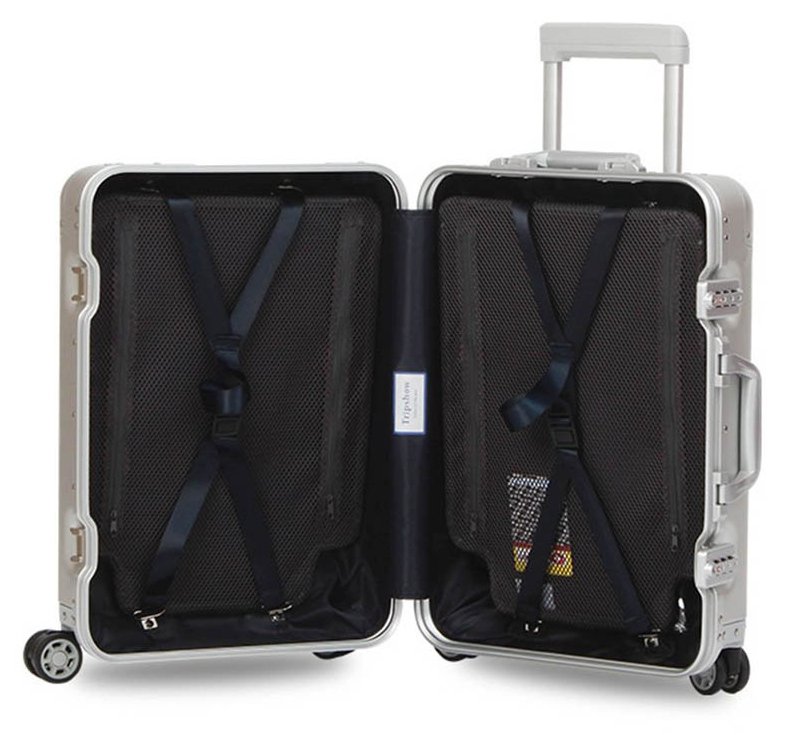
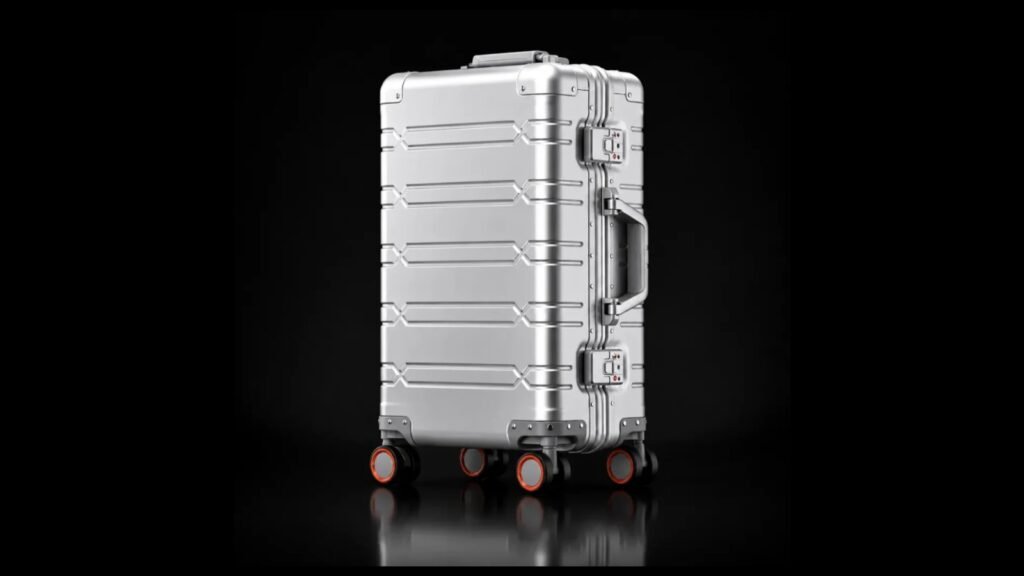
Take our TS-004 luggage set. You can order the 20-, 24-, and 28-inch cases individually, or buy a set with one of each size. One set is a single line on the quote and three physical cases to check. The number of shipping cartons depends on how the order is packed.
Carry that distinction from the purchase order through inspection, the packing list, and warehouse receiving. Each team can count in the units it works with as long as the quantities reconcile to the same order.
Quote by set, inspect by case, and ship by carton
Say you order one TS-004 three-piece set and one extra 20-inch case. For this example, assume a packing trial confirms that the three sizes can nest in one outer carton and that the extra case goes in its own carton. Here’s how the same order reads at each step.
| Stage | Unit to count | How to record this order |
|---|---|---|
| Quote and purchase order | Sets and single cases | Two line items. One TS-004 set with its price, plus one 20-inch case with its own price. |
| Factory count and inspection | Cases by size | Four cases in all. Two 20-inch cases, one 24-inch case, and one 28-inch case. |
| Packing list and pickup | Outer cartons | Two cartons in this packing plan. Carton A holds the complete set and Carton B holds the extra 20-inch case. Record the actual dimensions and gross weight after packing. |
| Warehouse receiving | Cartons at the dock, then inventory units | Check both cartons against the packing list, then receive Carton A as one set and Carton B as one 20-inch case under its own SKU. |
The total can be right while a set is incomplete. If a 20-inch case is packed in place of the 24-inch case in Carton A, there are still four cases across both cartons. The order is short a 24-inch case, and the warehouse cannot receive Carton A as a complete set. Check the count by size and confirm what goes in each set. For a larger order that ships in batches, record what actually leaves on each invoice and packing list, and keep the balance open on the original purchase order.
The carton count changes if your warehouse wants every size packed separately. The same order would then be four outer cartons. Update the packing list and the warehouse’s receiving instructions to show which cartons make up the set and which carton is the additional 20-inch case. If the warehouse will unpack sets, apply labels, or repack cases, include that work in the cost comparison. For case protection and the choice between nested and individual packing, see our metal luggage packaging guide.
Compare quotes to the same warehouse address
When comparing two quotes for a three-piece set, line up the size mix, packing method, and final warehouse address. One quote might cover delivery to a consolidation warehouse in China. The other might include transport to your warehouse overseas. Add the freight, insurance, import charges, and receiving fees you would still have to pay on each quote. A warehouse that needs to open a set and scan all three sizes may charge for that work.
Write the trade rule, exact named place, and edition together on the order, for example FCA [named handover point], Incoterms® 2020. Specify the factory, consolidation warehouse, or receiving point as precisely as possible. Confirm who books the truck, who loads and unloads it, which local charges are included, and where cargo risk transfers.
If you already have a forwarder, agree on the handover point in China
Under FCA, the seller clears the goods for export and delivers them at the agreed point. The buyer arranges onward carriage and import clearance. If the factory is the named place, the buyer’s forwarder books the truck and the factory loads it. If a consolidation warehouse is the named place, the seller brings the goods there on its vehicle, ready for unloading by the buyer’s nominated carrier or receiving party. Confirm whether the factory-to-warehouse leg is in the quote and who will confirm the truck appointment and handover count.
If you need delivery to your warehouse, decide who handles import clearance
Under DAP to a named warehouse, the seller arranges delivery to that point with the goods ready for unloading. The buyer handles import clearance and related duties and taxes, and arranges unloading unless it is covered by the carriage arrangement. Once the goods clear customs, the buyer or broker should tell the party arranging delivery so the shipment can continue to the warehouse.
Under DDP, the seller also handles import clearance and pays applicable import duties and taxes. Before accepting a duty-paid quote, confirm who can legally act as the importer, how the shipment will be declared, and who will keep the clearance and duty records. Get those answers in writing if the offer is described as “duty-paid door delivery.”
With a CIF ocean quote, check the named destination port. The seller arranges the agreed ocean carriage and insurance, and the buyer handles import clearance and onward delivery. Cargo risk transfers when the goods are on board the vessel at the port of shipment. Ask what the insurance covers, whom to contact, and what evidence is needed if cargo arrives damaged.
What does the factory hand over after inspection?
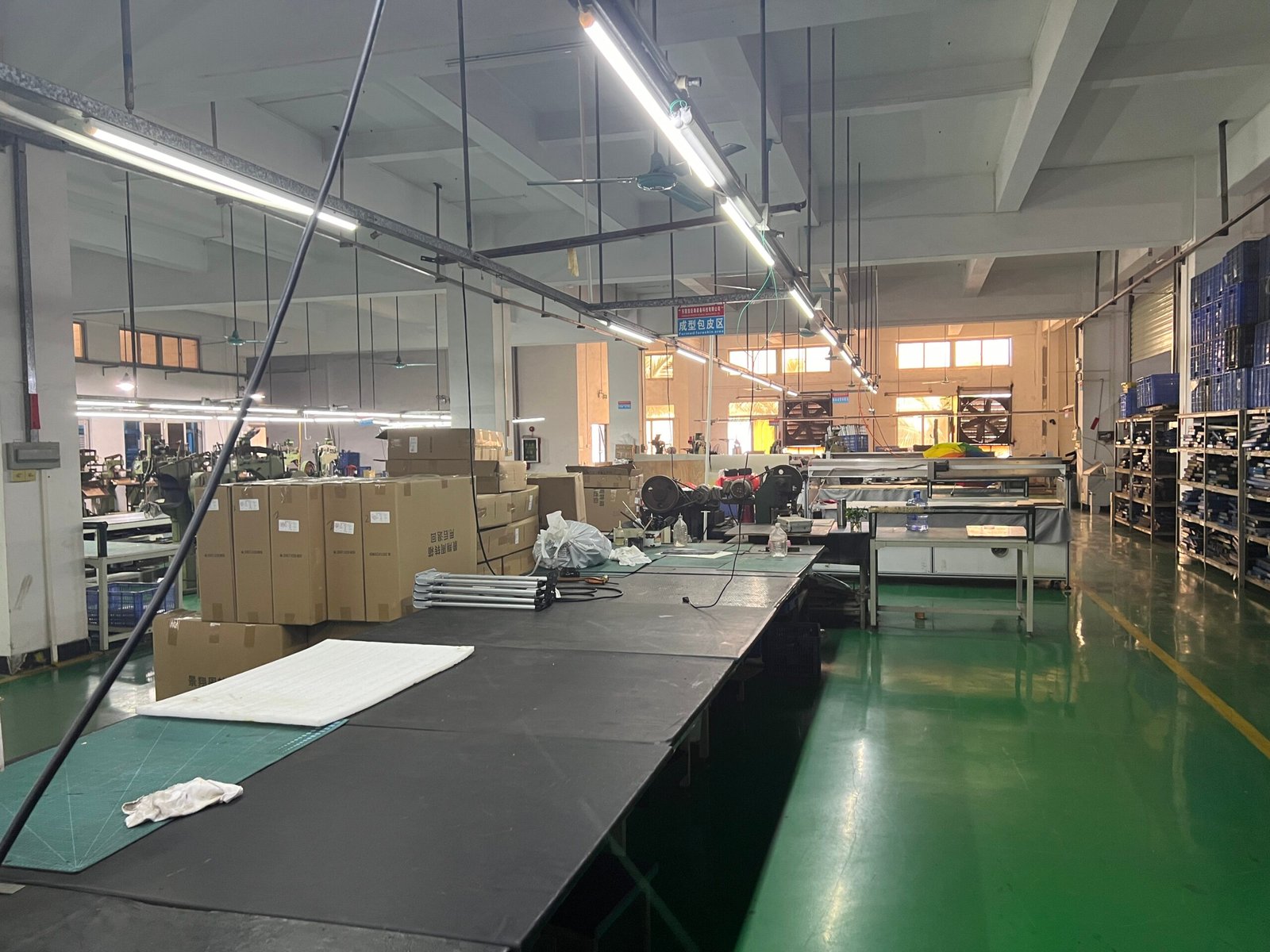
Use estimated carton data to request a freight quote once you’ve agreed on the packing method. Before pickup, the factory should confirm the actual carton count, carton numbers, outer dimensions, and gross weight. If you switch from nested sets to individual cartons, give the revised figures to the forwarder for a space and rate check, and update the warehouse’s receiving information.
If you require an inspection, agree on who receives the report and who authorizes shipment. When the inspection finds a shortage, a specification mismatch, or work that needs to be redone, agree on the fix and check the result before releasing the goods to the carrier. See our metal luggage pre-shipment inspection guide for sampling, defects, and reinspection.
At handover, the factory and receiving party record the carton or pallet counts and the condition of the outer packaging. The commercial invoice records what was sold in that shipment, including the description, quantity, pricing unit, and amount. The packing list maps the goods to cartons and records quantities, weights, and carton numbers. Use the carrier’s packing unit on the transport document. For example, if the carrier counts pallets, the packing list can connect those pallets to the outer cartons and the cases inside.
Who needs the clearance and receiving documents?
The party responsible for importing the shipment arranges customs clearance. Confirm that role when you review the quote. Before dispatch, ask the customs broker which documents it needs, who will file the entry, and when the information is due. The party handling the import supplies the commercial invoice, packing list, transport details, and the requested product information. The factory can provide the model and the materials used in the shell and frame. The importer and broker should check the classification and local filing requirements against the goods being shipped. Our luggage HS code guide explains what to provide for aluminum shells, aluminum frames, and mixed materials.
For the TS-004 order above, say the quote is DAP to your warehouse. The factory arranges delivery to the named warehouse, and the buyer arranges import clearance. When customs releases the shipment, the buyer passes the release information to the forwarder coordinating delivery for the factory. The forwarder checks when the carrier can release the freight for pickup, then confirms or updates the warehouse appointment. A tentative appointment can be booked earlier and updated once pickup is confirmed. For a launch date, plan those steps alongside sampling and production.
Before the truck arrives, give the warehouse the purchase order number, carton numbers, SKU quantities, and any unloading or labeling instructions. At the dock, the warehouse checks the two cartons and their condition, then checks which sizes are in Carton A before booking in the set. If the 24-inch case is missing, the warehouse records the carton number, the missing size, and photos. Purchasing can ask the factory and forwarder to compare packing and handover records while the warehouse holds the affected set and receives the extra 20-inch case separately if it is correct.
Include your warehouse requirements when you request a quote
For a TS-004 quote, send the number of sets, any extra cases by size and quantity, the destination warehouse address, and the point where you want us to hand over the goods. If you need branded marks, separate barcode labels for each size, or a set-level barcode, include those details before you settle the packing method. If you’re ordering a sample, arrange for a complete set to be packed the way you plan to ship it. Your purchasing and warehouse teams can check the labels, carton numbers, unpacking steps, and receiving unit before the bulk order leaves.
Tell us about your luggage project
Share your preferred model, quantity and customization requirements.