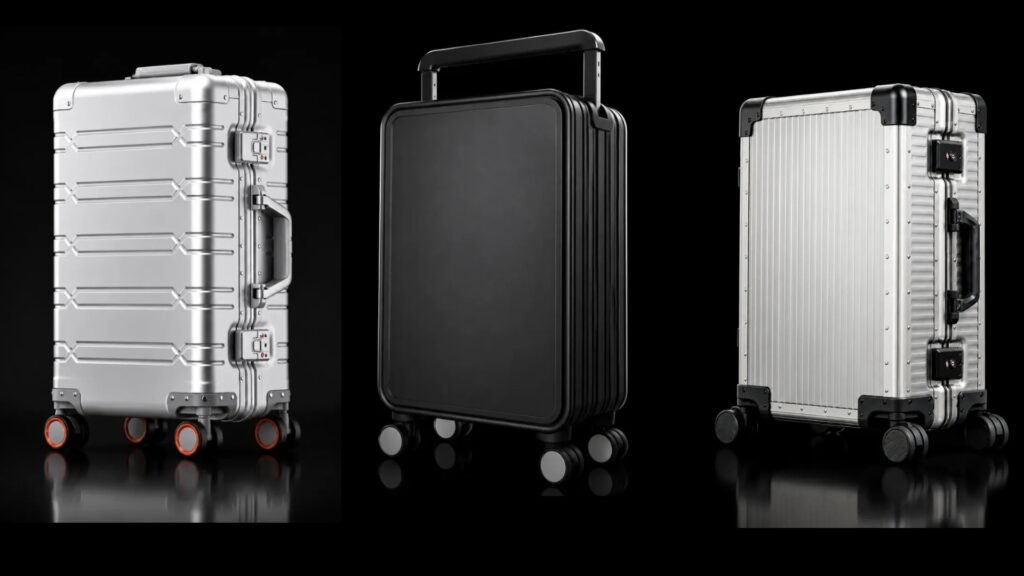
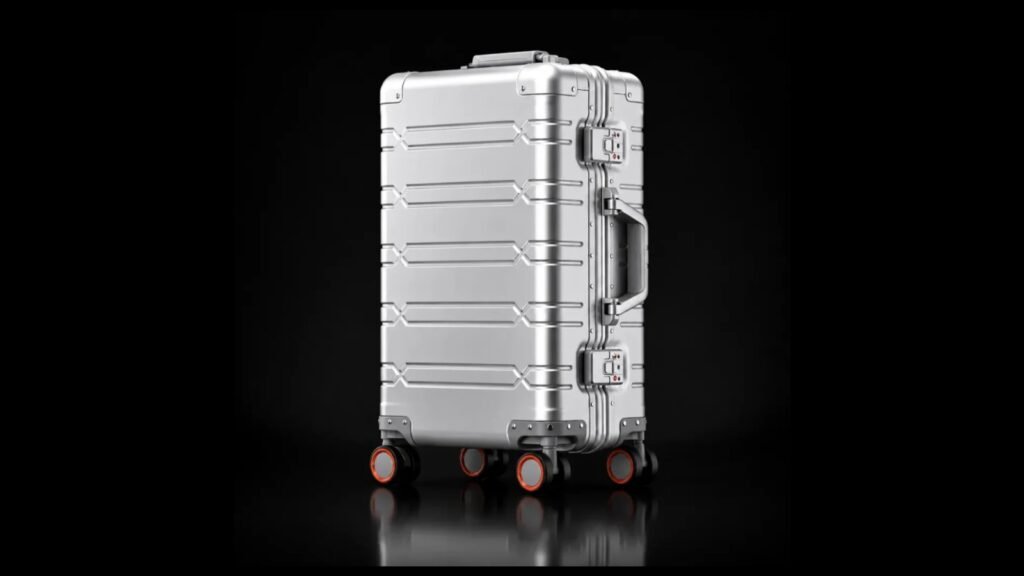
Are Aluminum Suitcases Waterproof?
Do not buy an aluminum suitcase on the assumption that its metal shell makes it fully waterproof. The shell can block water falling on the panel, but water entering the complete case also depends on its openings, frame joints, seals and hardware mounting points.
If your customer wants the contents to stay dry during a short transfer from a car to a hotel in the rain, use that situation to select the construction and assess a sample. If the case will remain outdoors in rain, be washed with a hose or potentially be submerged, put those conditions into the design brief from the start. A travel-case shape and an aluminum shell do not establish that performance.
First decide how the case will meet water and which compartments or contents must stay dry afterward. Those answers tell you which products to compare and where a design change may be useful.
Where can water enter an aluminum suitcase?
Start with the complete closure. When the two halves meet, the straight sections, corners, hinge side and latch side need to fit together appropriately. Closing the rest of the frame tightly does not resolve a section that is out of alignment.
For example, the straight edges may close normally while the lower-right corner has a noticeably larger gap. Check the corner and frame alignment, whether the shell interferes with closure, and the hinge and latch positions. Tightening the latch may make the case harder to close without correcting that corner.
Then look at the sealing contact. Where a frame uses a gasket, check its contact along the straight sections and corners, the joint between its ends, and any section that lifts or moves during closing. A joint that looks close from the outside still needs an internal check.
Inspect hardware mounting points too. If a handle, lock, wheel base or other fixing passes through to the interior, examine the hole and connection. Follow the actual construction to understand a possible water path rather than judging it from the name of the component.
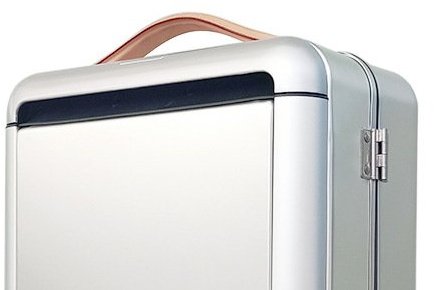
Our TS-010 rounded-frame aluminum case provides a starting point for discussing how a curved corner meets the straight frame. If the brief includes rain resistance, continue with the selected seal arrangement and complete-case assessment. The rounded shape alone does not establish a water-protection level.
Will adding a gasket solve the problem?
A gasket needs a suitable position and continuous contact when the case closes. Consider its material, profile, dimensions, mounting groove and fit with the frame together.
If one corner has a larger gap than the other areas, fitting a thicker gasket around the whole case may over-compress sections that already fit correctly. The latches can become harder to fasten while the corner problem remains. Find the cause of the local gap before choosing a frame adjustment, assembly correction or different gasket.
If the gasket lifts at a corner, focus on the corner shape, gasket length and attachment. If the problem is at a joint, examine how the ends meet. Replacing the entire gasket adds work without necessarily addressing the cause.
A softer material is not automatically better in every construction, and a harder material does not automatically seal more reliably. Compare contact after closing, operating effort and whether the gasket stays in position through repeated opening. Cleaning products, prolonged sun exposure and low-temperature use can also affect material selection.
After a change, check closing operation alongside water exposure. If sealing improves but ordinary opening and closing becomes difficult, the configuration needs further adjustment.
How do top-opening, clamshell and front-pocket cases compare?
The opening arrangement mainly determines how people reach their belongings. Assess water protection at the actual openings in each construction.
A customer may choose TS-009 because its top-opening lid gives access while the case stands upright. Keep that action in the design review, then examine the closed joint, the path of rainwater and possible collection points when the case stands or lies down. Include the intended positions in the assessment rather than choosing only the position that is easiest to keep dry.
A clamshell case needs its complete closing perimeter checked. If it will normally be well packed, use the agreed loading condition too. Normal closure when empty does not establish the same frame and gasket contact after the intended items are packed.
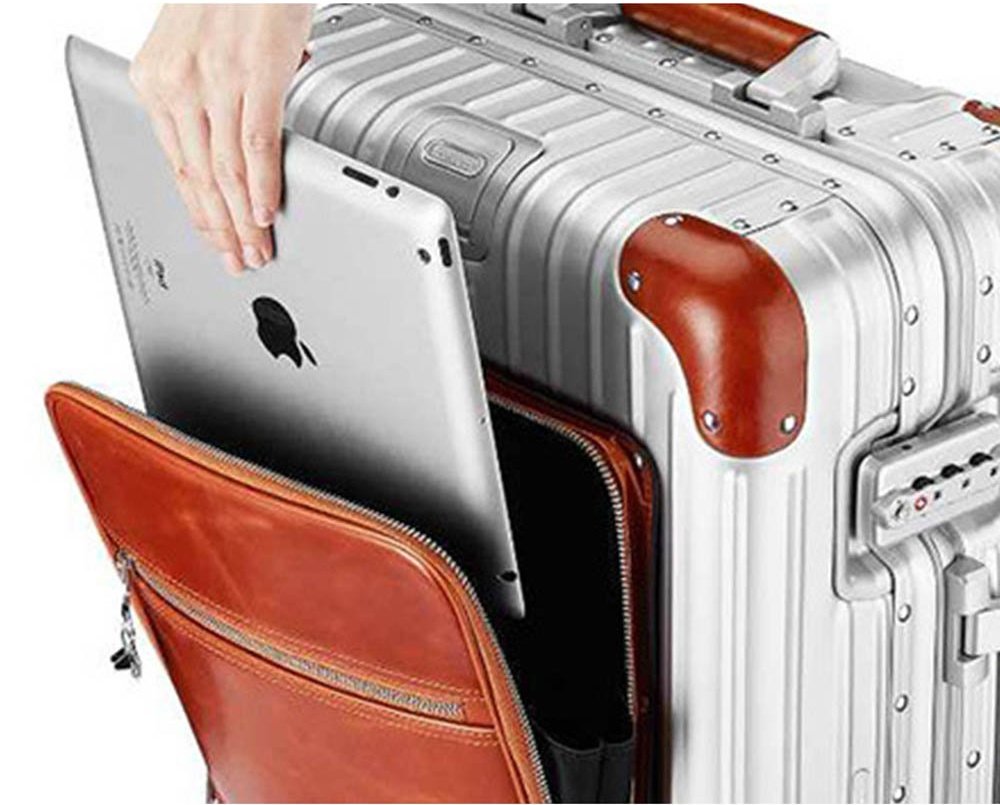
A separate front pocket adds another opening to assess. On TS-003, the pocket zipper and the main-case frame are separate closures. If the customer plans to carry a laptop or documents in the pocket, define its rain-protection requirement separately. A result for the main compartment does not establish the same result for the pocket.
Choose the opening around access needs, then identify each space that needs protection. Keeping only the main compartment dry and protecting both it and a front pocket can involve different design work. Our guide to luggage opening types explains the access tradeoffs.
What does your customer mean by rain resistance?
A transfer from a vehicle to a building differs from leaving luggage outdoors awaiting collection. An upright case in rain also differs from one lying flat with water collecting near a joint.
For a business-travel collection used mainly indoors, describe the transfers where rain exposure is expected: the usual case position, exposure duration, whether the front pocket will be opened and where documents or electronics sit. Use those conditions to compare the frame, seals and internal protection.
If the case is intended for outdoor work and prolonged rain exposure, say so before selecting the model. That can affect the opening, sealing design and mounting details, or require a review of whether an ordinary travel-case construction suits the task. Adding the requirement after appearance, price and samples are approved can involve more components.
“The contents must not get damp” also needs a clear explanation. Is the concern rain entering from outside, or a wet umbrella or clothing affecting other belongings? The first calls for a review of water-entry paths; the second also involves separate storage for wet items. A project may need both.
Describe the action and desired outcome instead of relying on “waterproof” alone. That gives the factory a basis for a design proposal and gives both sides the same conditions to assess.
How should the sample be checked?
First identify the sample version. Its frame, gasket, latches, hinges and treatment of mounting holes should correspond to the planned order. If a key component changes after the check, review whether the result still applies.
Record the water-exposure conditions: case position, load, how every opening is closed, water direction, duration and the internal locations to inspect. Set the conditions from the intended use and an appropriate test method. A short spraying video does not replace that record.
For example, if the document compartment must remain dry, include it and its opening in the assessment. A photograph of a dry main-compartment floor does not answer the document-compartment requirement. If both flat and upright positions matter, arrange checks for both.
After exposure, deal with water on the outside before opening the case in the agreed sequence. Otherwise, water running in as the lid opens can become mixed with water that entered while closed. Record each damp location, then investigate its corresponding joint, fixing or opening rather than recording only “leak.”
Connect the initial check with the intended service conditions. If the purchase requirement includes rain resistance after repeated opening or transport impacts, agree on the assessment sequence. A new sample’s result describes that particular configuration and condition.
If a customer specifies an IP rating, confirm the standard, method and scope before arranging testing. A custom rain check, a component report and a complete-case rating report need separate consideration. Our luggage testing and reports guide explains how to match evidence to the sample and requirements.
Will better rain protection affect cost or everyday use?
It can. The effect depends on which parts need to change.
If the existing construction can meet the requirement, the work may focus on the gasket, joints, mounting details and assembly control. A different frame profile, seal position or closing arrangement involves component fit, development and sampling. Review the affected parts before deciding whether new tooling is needed.
Consider appearance and operation together. Where will an added part sit? Will it be visible when closed? Are the latches and handles still easy to use? Does it change interior space? Compare more than the price of the added sealing material: the complete case still needs to match the brand’s appearance and use.
If the main concern is a small group of items, such as documents or a computer, discuss a separate internal pouch or storage arrangement too. Define its protection from its own construction and assessment. Protection for one compartment does not establish waterproofing for the whole suitcase.
For a product opened frequently, consider what happens when it is opened in the rain. A seal designed for the closed case cannot prevent the exposure caused by opening it. Explain the intended use alongside the construction choice.
What should you tell us before customization?
Tell us where the case will be used, what it carries and how it will encounter water. Will rain exposure be a short part of business travel, or is outdoor use expected? Will the case usually stand or lie flat? Does only the main compartment need to stay dry, or does a front pocket need the same protection?
Provide a preferred model or appearance reference and identify the details you want to retain. We can review its openings, frame, seals and hardware mounting together, separating adjustments to assess on an existing model from construction that needs further development.
Send any existing test conditions or sales-channel requirements before sampling. Then the sample scope, assessment and final order configuration can be defined in advance, and the quotation can cover the actual work.
Bring the use conditions and appearance brief together to discuss your custom aluminum luggage project. The sample should answer both whether the case works well in use and whether it meets the agreed rain-protection requirement.
Tell us about your luggage project
Share your preferred model, quantity and customization requirements.