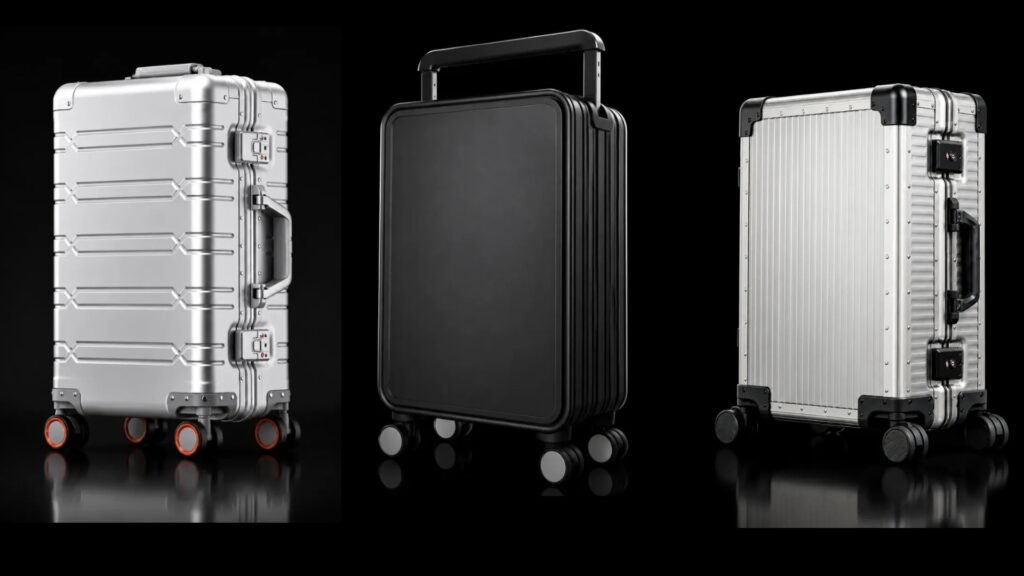
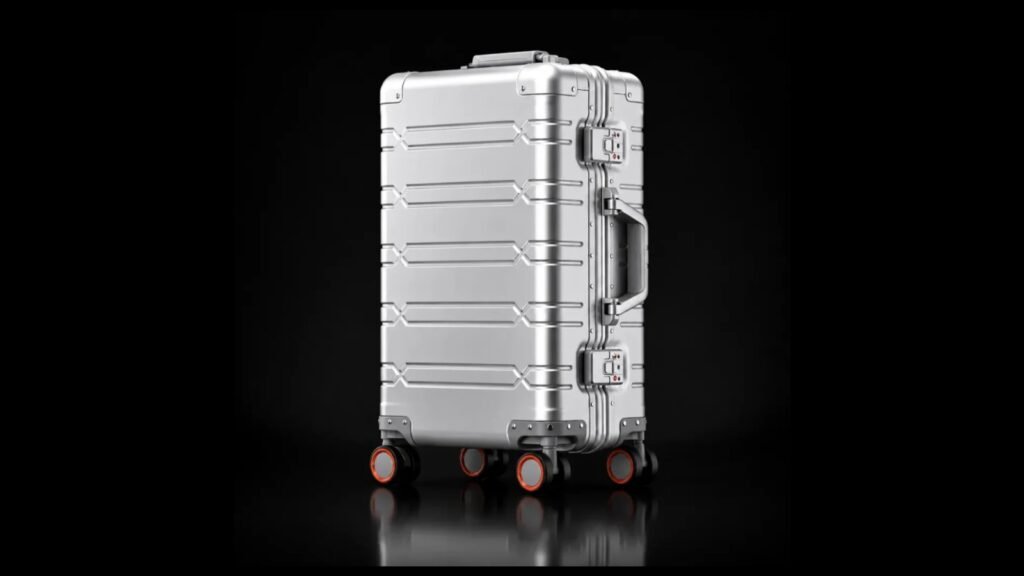
Luggage Testing and Reports: What to Specify and Check
A report marked “pass” is useful only if it covers the case and tests your order requires. First agree on what to test and what counts as a pass. Then check which sample was tested, what the report measured and whether the results meet your requirements.
To discuss testing for your order, send us the model, sizes, intended market and parts you want to change. Include any tests your buyer has specified. These details help us discuss what the finished sample needs to demonstrate and which test conditions still need to be agreed with the testing provider.
Which Tests Does Your Luggage Need?
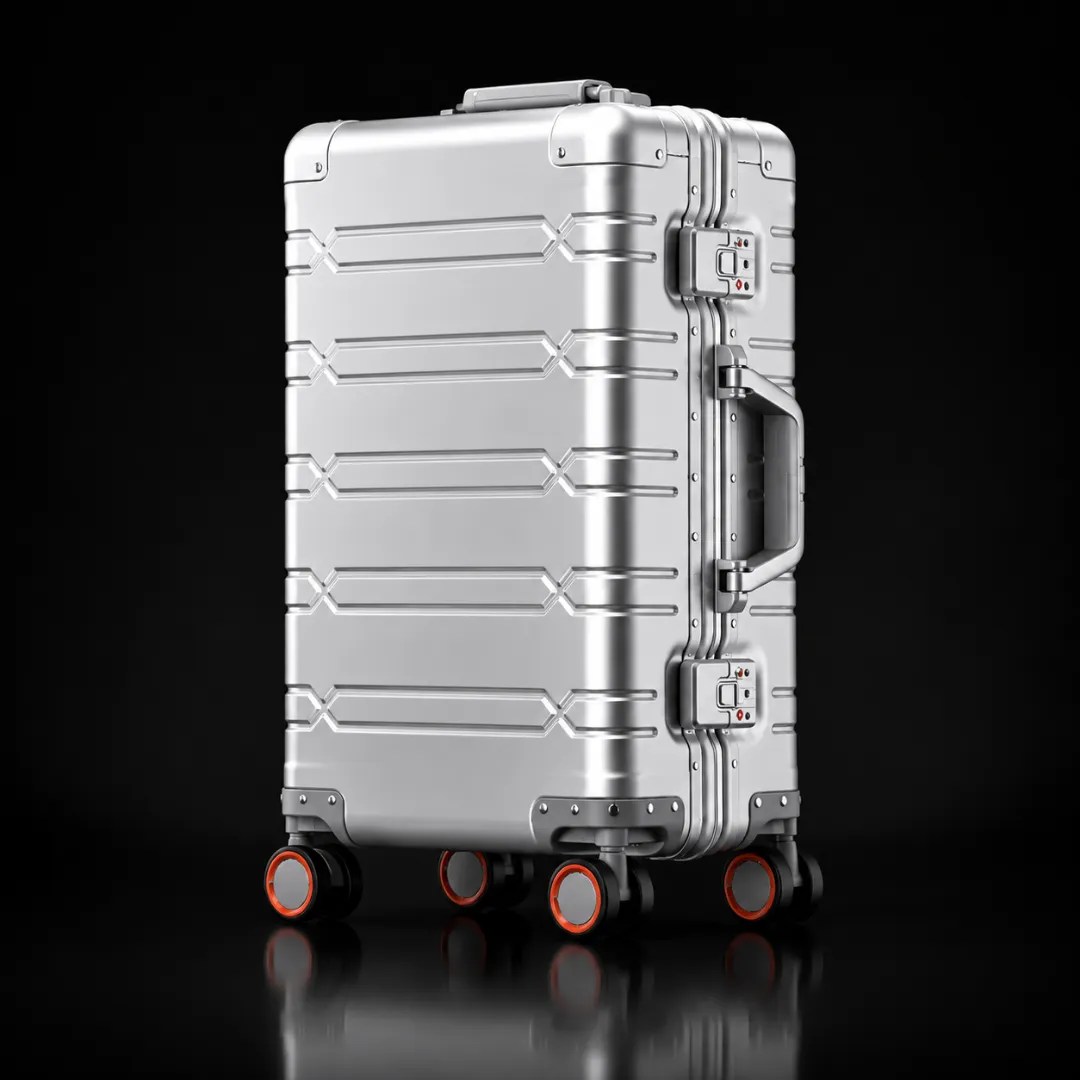
Start with the product you intend to sell. Our TS-006 has an aluminum shell, a hinged frame, TSA combination latches, a telescopic handle and four spinner wheels. Decide what you need to know about those parts before choosing tests.
| Question to answer | Test scope to discuss |
|---|---|
| How does the wheeled case perform under repeated rolling? | Run the loaded case on a rolling-road machine under the agreed conditions, then assess the wheels and continued operation. |
| How does the carrying handle withstand lifting? | Lift the loaded case repeatedly by the selected handle, checking the handle and its attachment points during and after testing. |
| What damage occurs when a loaded case is dropped? | Drop the loaded case in the specified positions, then assess the shell, corners, wheels and other fittings for damage. |
| Does the selected lining meet the material requirements? | Test the identified lining for the agreed fabric properties and any specified chemical requirements. |
A few turns across a showroom floor show how the wheels move. A rolling endurance test instead assesses the loaded case over an agreed test period. For a handle, repeated lifting and holding a static load are different tests. Choose the test that answers the question you have about the product.
Also identify the sales market and any retailer test requirements. A material test reports on the selected material; a wheel or drop test assesses physical performance under its stated conditions. Choose the work needed for your product instead of copying a fixed list for every case.
What Should You Agree Before Testing?
For a drop test, specify what goes inside the case, how the load is distributed, the drop height and the impact positions. Assess damage to the case and its fittings after the agreed sequence. “Pass a drop test” leaves these conditions—and the pass/fail rules—undefined.
A test method explains how to run the test. The pass/fail rules state which results your project will accept. Agree on both with the testing provider before sending samples. If your buyer names a method, include its version and any agreed changes to the procedure.
| Field | Your requirement |
|---|---|
| Sample identity | Model: ____ / Size: ____ / Parts and sample version: ____ |
| Tested item | Complete case, component or material: ____ / Sample quantity: ____ |
| Method | Test name and reference: ____ / Version: ____ / Agreed method changes: ____ |
| Conditions | Load, pre-test preparation, time or cycles, and other test settings: ____ |
| Pass/fail rules | Required result, permitted damage and post-test operation checks: ____ |
| Records | Required results and photos: ____ / Report recipient and timing: ____ |
For a drop test, decide whether surface marks are allowed and which wheel, handle and closure checks are required afterward. Keep unanswered questions marked pending. You can then check whether two testing quotations include the same work.
Was the Report Written for the Case You Plan to Order?
Compare the tested sample with the case you plan to order. For TS-006, check the size, wheels, trolley, latches and lining. If you have requested different wheels, show that change separately. The model name alone does not tell you which parts were tested.
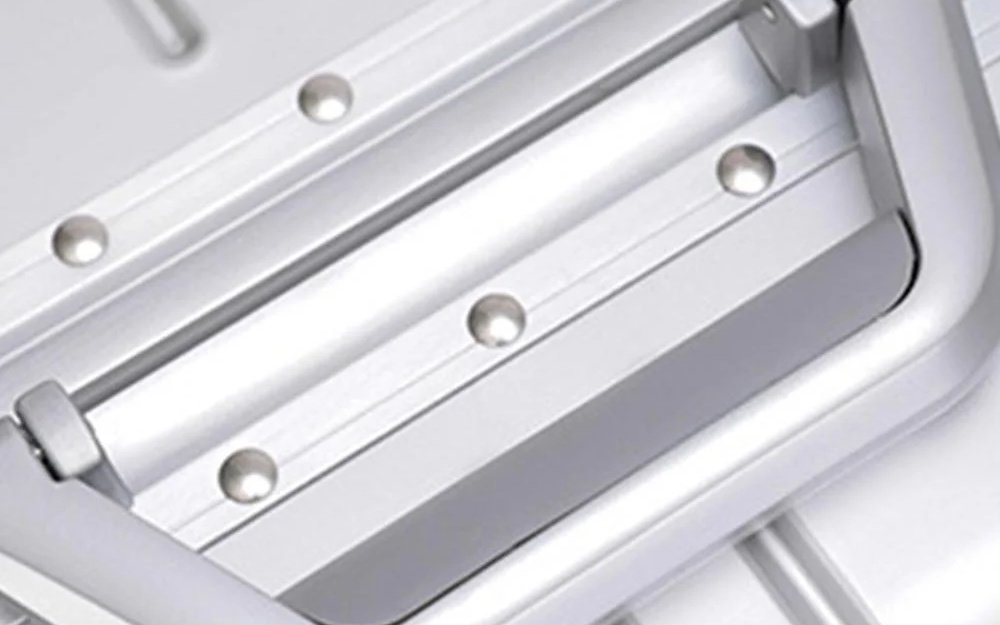
Start with the report number, issuing organization, sample description, photos, dates and revision. Check whether the test used a complete case, a separate part or a material sample.
If a report covers a handle tested separately, check whether it also assesses the handle’s attachment to the case. Ask for missing sample details before using the result for your order.
If sample details are missing, request clarification. If the tested parts differ from your order, ask the testing provider which results still apply. Check the parts as well as the date: a recent report on a different wheel assembly still needs review before you use it for your case.
What Does a Passing Result Actually Prove?
For each test you requested, compare the reported result with the agreed pass/fail rules. Read the method, test conditions, units and notes alongside the result. If the report gives a measurement without a pass/fail conclusion, ask how it compares with your requirement.
Here is a short reading example from public report HQ2231001422-R2, issued in November 2022 for another supplier’s RPET soft suitcase:
- Page 1 identifies the sample and overall rating. The rating is satisfactory.
- Page 2 lists the tests covered. These are rubbing colorfastness and chemical tests.
- Compare that list with your question. Wheel endurance and whole-case drop tests are not listed, so this report does not answer those performance questions.
For your order, note which requirements have relevant results and which still need testing or explanation. If wheel performance is the missing item, request that specific test and its conditions. Another material report would leave the same question unanswered.
What If a Test Fails?
First check that the sample and test conditions match the agreed plan. Then record which requirement was not met, where damage occurred and which functions changed.
For example, if a wheel assembly loosens, identify which connection moved and photograph the wheel housing, fasteners and case mounting area. Locate the problem before choosing a replacement part. A loose assembly does not, by itself, tell you which part caused the failure.
When discussing a revision with us, keep three records together:
- What failed: the test, sample version, observed problem and photos or measurements.
- What changed: the parts or installation details revised on the next sample.
- What the recheck showed: the checks or tests agreed with the testing provider, their conditions and the revised sample’s results.
Compare those results with the original requirement. Approve the affected item after the agreed checks show it meets that requirement; a message saying “fixed” is not enough.
Can You Use an Old Report After Changing Parts?
List what changed after testing. If you choose a different wheel assembly, compare the new part and its installation with the tested version. Similar appearance does not establish that the test result covers both.
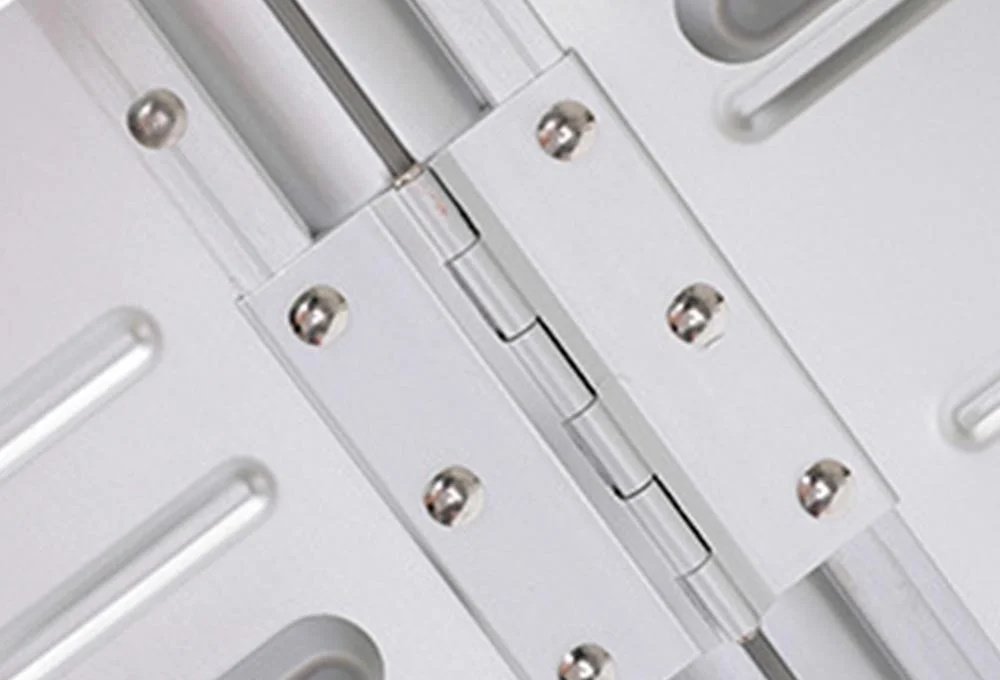
For a latch change, show whether the fixing points or matching frame parts also change. Send the original report and both sets of part details to the testing provider.
Ask which results still support the revised case and which tests need repeating or adding. Keep that reply with the record of the change, rather than assuming either that nothing needs retesting or that every test must be repeated.
Keep the final parts list and relevant results with your sample approval. The later production batch still needs its agreed pre-shipment inspection to check the goods against the order.
Test-method reference: SATRA’s luggage testing overview.
For a custom metal luggage order, send us your preferred model, sizes, market, proposed part changes and existing test requirements or reports. We can discuss the changes to the case while you confirm the necessary tests with the testing provider, so you know what the sample must demonstrate before approval.
Tell us about your luggage project
Share your preferred model, quantity and customization requirements.