How to Choose a Metal Luggage Manufacturer for Your Brand
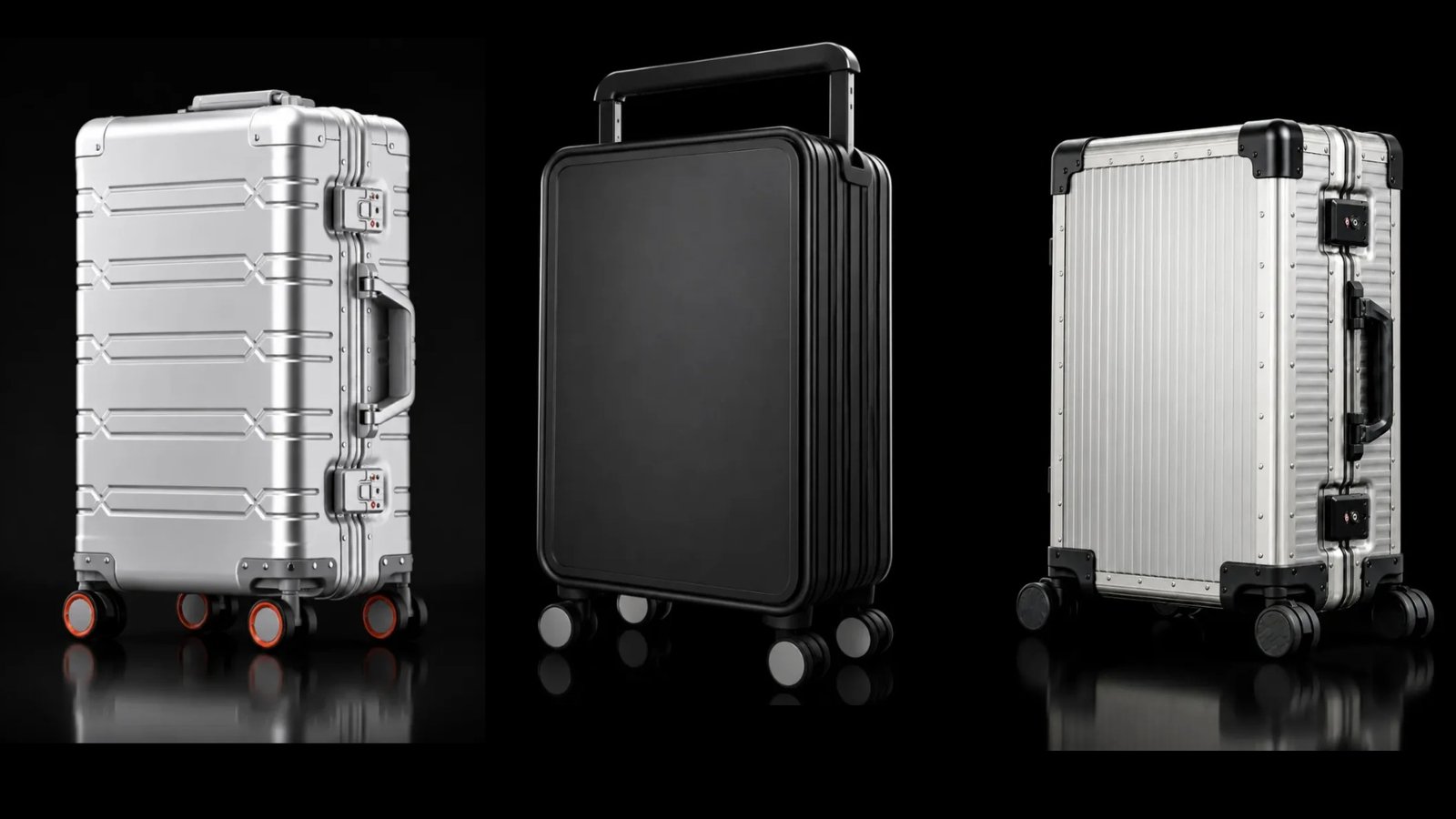
A good showroom sample is a starting point when choosing a metal luggage manufacturer. Before placing an order, you need to know what the shell is made from, how the frame and hardware fit, how the factory will develop your custom details, and what production will follow once you approve the sample.
At Suitcasemaker, you can customize an existing metal luggage model or bring us a sketch or reference sample for a new shell. Our TT-001 titanium case, aluminum models and in-house design and tooling work give you specific products and development options to assess. Here is what to review with us, from choosing the shell to approving your own sample and bulk-order specifications.
Check the shell material and construction
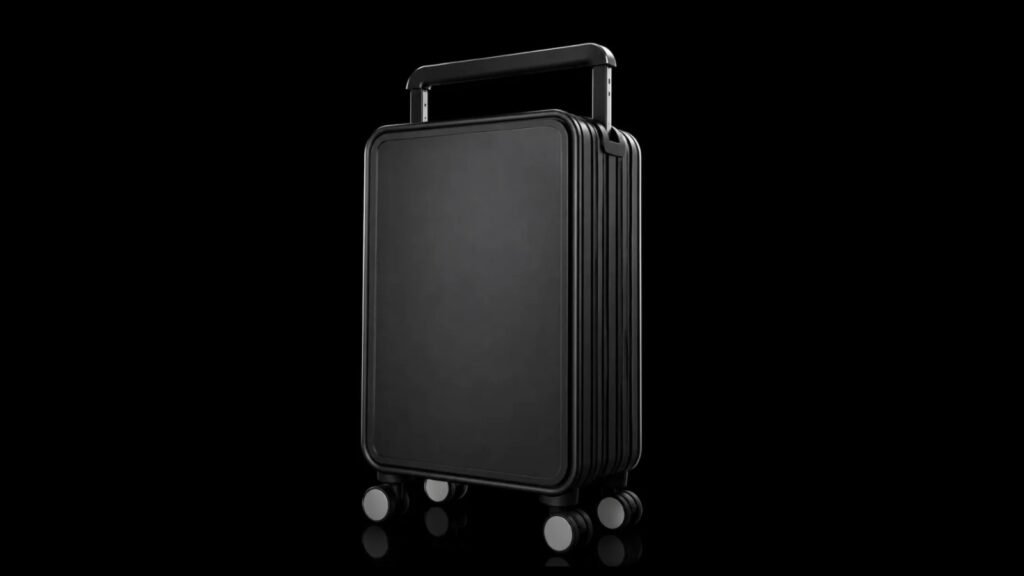
If you are planning a titanium luggage collection, our TT-001 is one starting point. It has a 0.5 mm TC4 titanium-alloy shell and is available in 20- and 24-inch sizes. Titanium refers to the shell itself, not a titanium-colored finish on a different material.
You can examine the existing titanium shell for size, appearance and opening and closing before specifying the interior, logo, hardware and packaging. Locks, wheels and trolley handles are specified separately; a titanium shell does not mean every component is made from titanium.
If your purchasing specification requires material documentation or additional testing, include the material, component and document requirements in your inquiry. This allows us to confirm what can be supplied and what testing needs a separate arrangement before you place the order.
Similar alloy names can describe different shell constructions
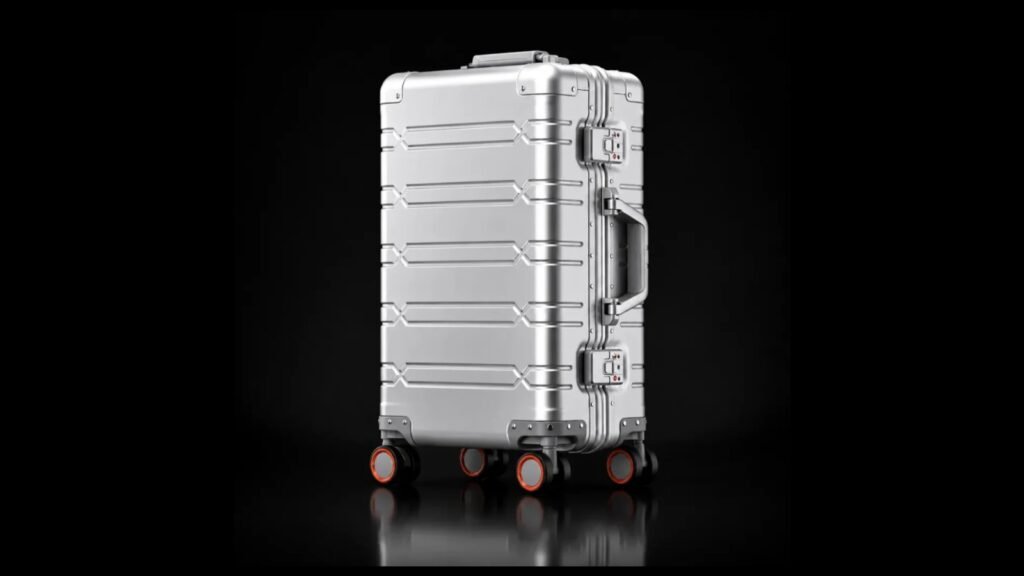
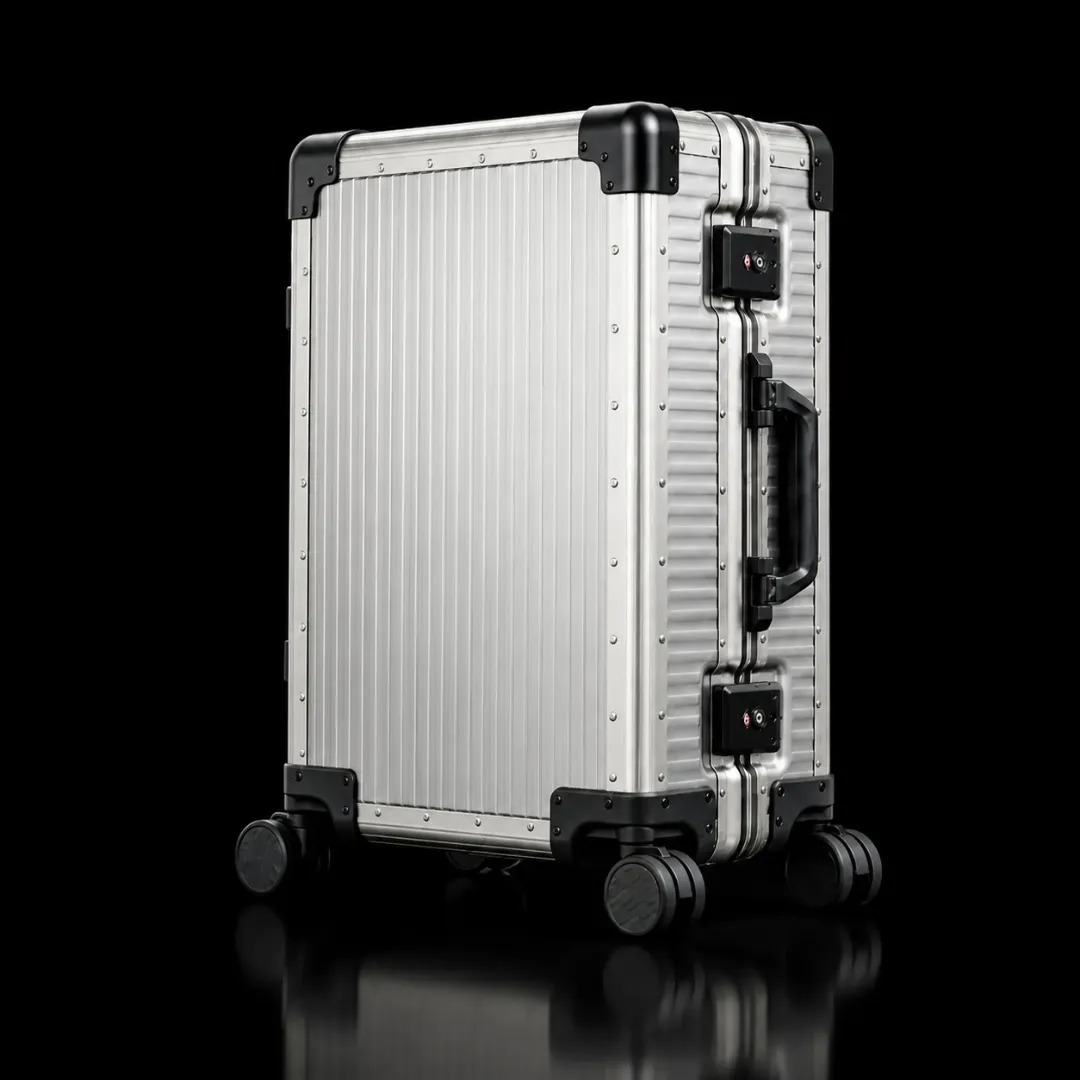
Our aluminum luggage and aluminum-magnesium luggage ranges both use 5000-series aluminum-magnesium alloy, but the forming process differs by model. TS-006 uses die-pressed panels, while YCT-056 has a one-piece formed shell. Examining the actual shell and frame is more useful than choosing from the range name alone.
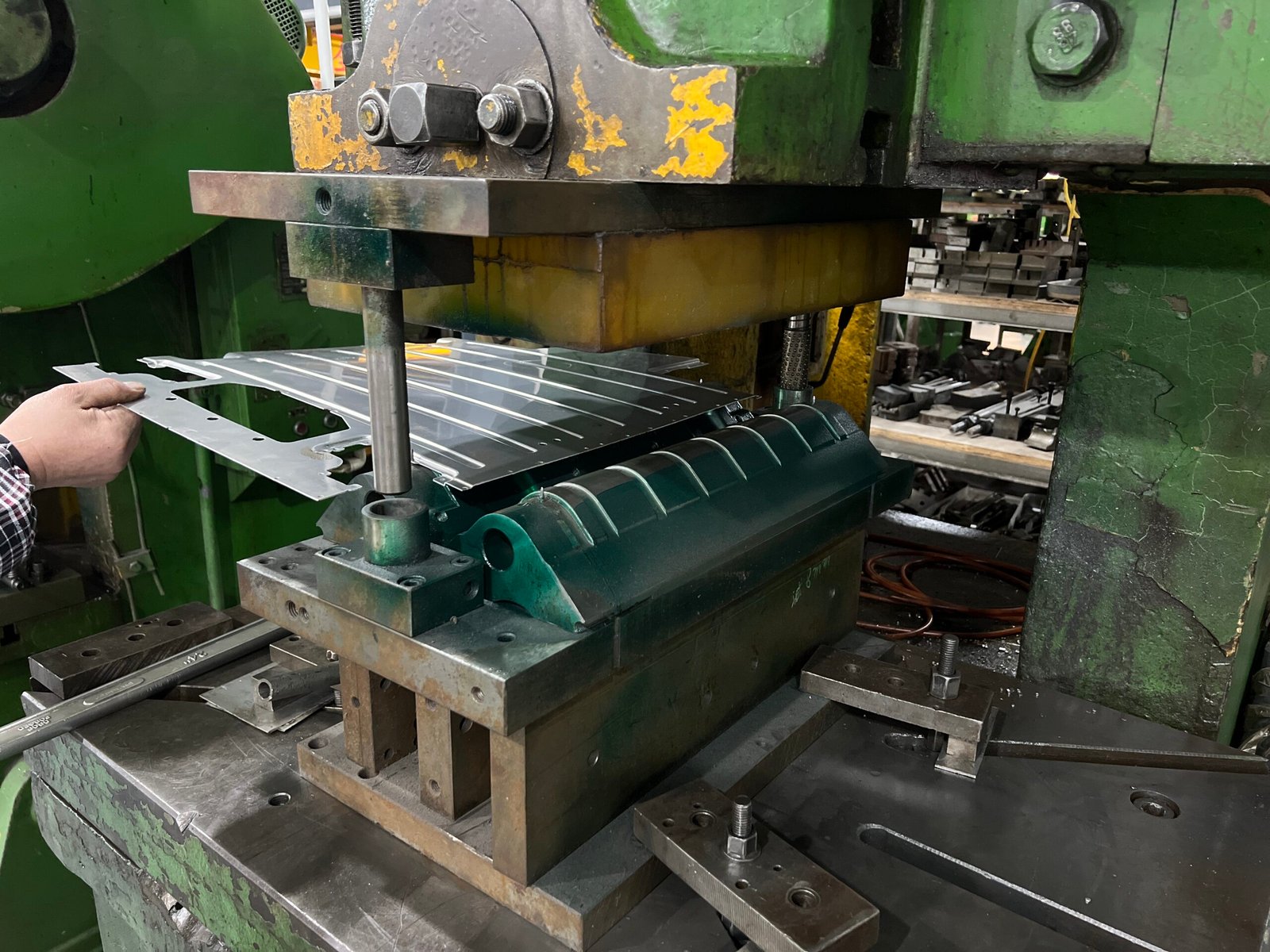
Start with a model close to your intended product and tell us what you want to keep or change. If its size and profile fit your brief, the discussion can focus on finishes, interiors and components. If the shell needs to change, structural development and tooling become part of the project. Choosing the base case first makes the customization scope and quotation easier to define.
How we develop your custom luggage sample
We offer color, finish, logo, hardware, interior and packaging customization. Our custom luggage development services also include in-house CAD design, prototyping and CNC mold development. The first decision is whether an existing shell suits your product or whether you need a different size or profile.
Keep the existing shell and specify your interior and brand details
Take an interior specification for TT-001 as an example. If you want to retain its shell while changing the lining, dividers and branding, send us your fabric requirements, divider sketch and logo artwork. Include item dimensions if the interior needs to hold particular objects. The sample review then has specific questions to answer: does the fabric and branding match your brief, does the layout hold the intended contents, and does the packed case close properly?
Hardware can also be customized. If you have a preferred lock or wheel assembly, send its model, dimensional information or a reference sample. Whether it can use the existing mounting positions depends on the selected case. Changes to mounting areas or the frame need to be reflected in the development scope and sampling cost, rather than treated as a change of component name on the quotation.
For surface finishes, an existing product provides a physical reference. Our TS-005 uses brushing or sandblasting followed by anodizing. You can review that model’s finish before specifying texture, gloss and color changes. Approval applies to the sample made for your project. If color is central to your branding, include a physical color reference or specified color code.
The purpose of customizing an existing model is to retain a suitable case and bring your chosen fabric, branding, interior layout and components together in one sample. You can then review the complete product, rather than approve separate pictures of individual parts.
For a new shell, begin with a sketch and a structural and tooling review
If our existing models do not offer the size or profile you need, we can start from a sketch, reference sample or specification sheet, using our in-house CAD, prototyping and tooling capabilities. You do not need finished production drawings to begin the discussion. Tell us the target dimensions, appearance and functions the product must retain.
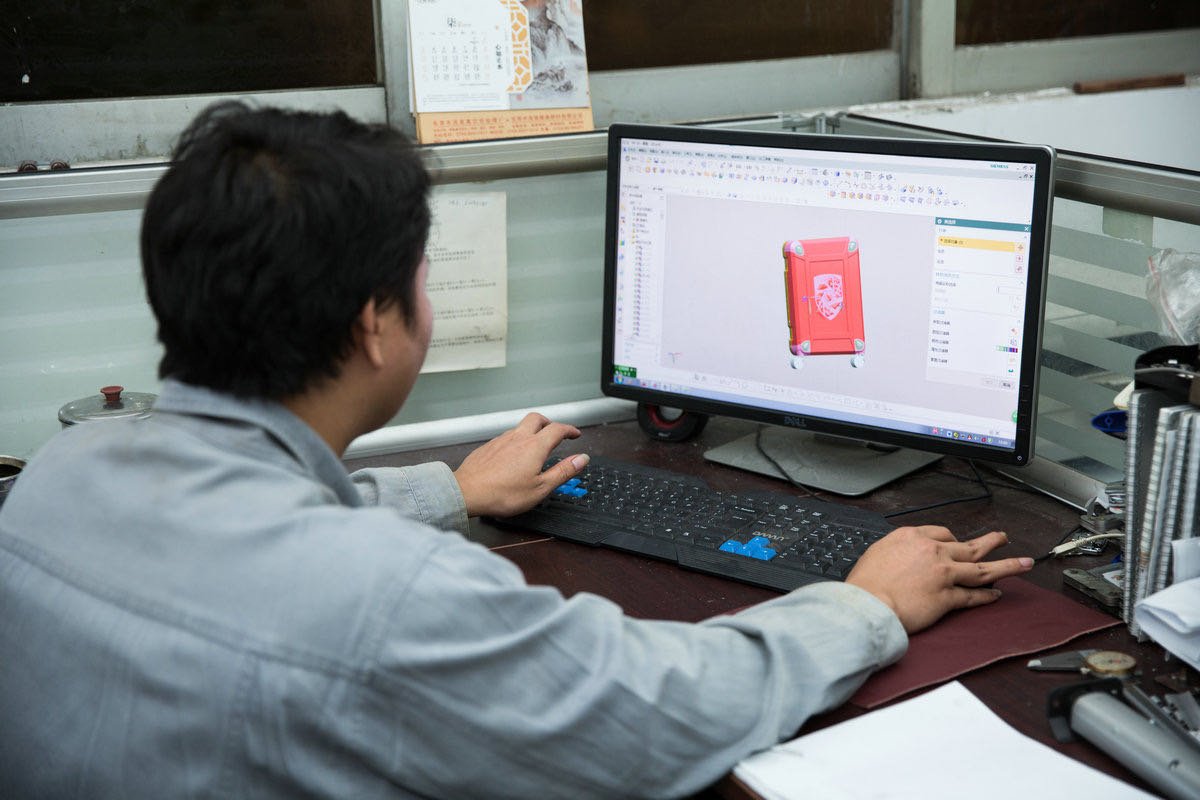
For example, if you want a different corner profile, the drawing review needs to cover the shell, frame and nearby hardware together. Identify which dimensions and parts will change, and what the prototype needs to demonstrate. For a new shell, the sample made with the new tooling is a further approval step: review its appearance, component installation and opening and closing before approving production.
Before approving development costs, ask us to set out the drawings, prototypes, tooling and final samples included in the proposal, along with the approvals needed at each stage. You can then see what will be made, what you will review, and what each charge covers.
How we produce and inspect your bulk order
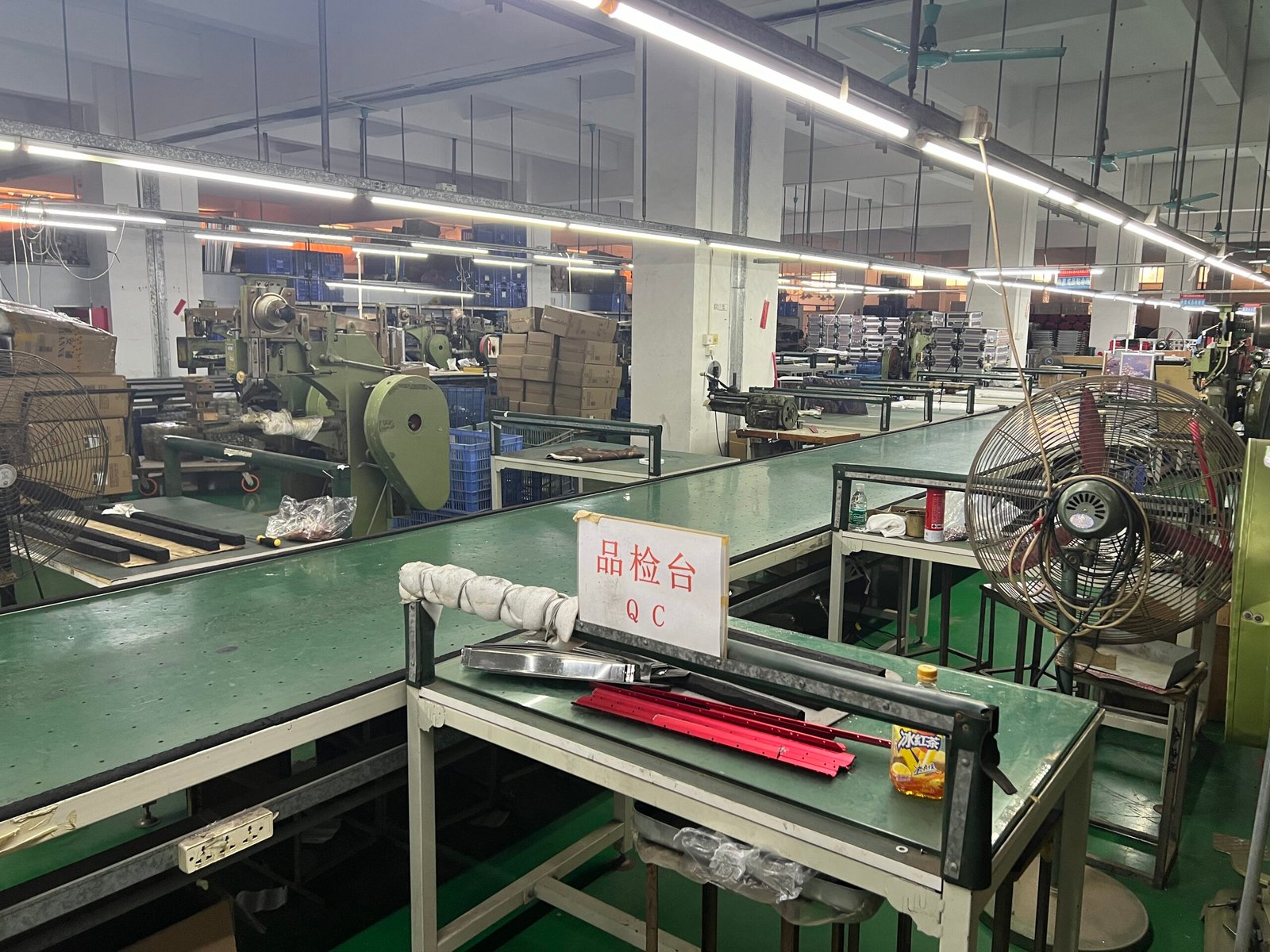
The approved sample establishes the product you intend to sell. Its materials, dimensions, appearance and components must then be specified for production. In our aluminum luggage workflow, approved drawings, the master sample and component specifications guide panel forming, assembly and batch production.
The checks relate to specific parts of the case. Before sampling, we review shell dimensions, frame profiles, hardware positions and interior requirements. Before hardware installation, we check frame fit, corner joints and closing gaps. Before shipment, we check the finish, frame alignment, locks, handles, wheels and packing against approved requirements. These stages connect the sample’s appearance, construction and functions to production and inspection.
Confirm sample revisions before releasing the final specification
During sample review, tell us both what needs changing and the result you need. If a divider needs moving, mark its intended position. If the case does not close as required, show the operation and describe the problem. Recheck those areas on the revised sample and confirm which drawings and configuration will be used.
Before production starts, compare the revised sample with the final drawing and component list. The divider position, chosen hardware and other agreed changes should match. If a change is still missing from the sample or specification, keep it open for correction before approving production.
Review affected functions when changing components after sample approval
If you decide to change a wheel assembly or lock after approving the sample, include the new component and its installation requirements in the final configuration and reassess the affected functions. For a wheel change, that means reviewing its fit with the case and its rolling operation, not just comparing how the two wheels look.
If your order requires wheel, trolley or drop testing, specify the model, configuration, method and acceptance criteria in the sample and inspection requirements. Confirm the testing arrangements and required documents with us. Results need to apply to the configuration you are buying; whether they cover a changed component is part of the change review.
What to send us for a quotation
You can start with an existing model, your own sketch or a reference sample. To discuss a specific proposal, send us:
- The product you want: a model or reference image, shell material, target size and intended market or use.
- The changes you need: color, logo, interior, hardware and packaging. Mark what must stay and what must change.
- Your first order: estimated total quantity and the split by model, size and color.
- Delivery and documentation: required arrival date, destination, and any material document or testing requirements.
These details provide a basis for discussing a suitable model, sample specification and quotation. If you need a new shell, the design and tooling work must also be defined and included in the costs and schedule.
Our bulk production lead time reference for existing models is 30–45 days after specification approval. Sampling, revisions, approvals and shipping need separate allowances; a new shell also requires drawing and tooling time. Give us the date you need the goods to arrive so the schedule can be confirmed against your model, configuration and order.
Send us your model or design to discuss your custom metal luggage project.
Tell us about your luggage project
Share your preferred model, quantity and customization requirements.