Metal Luggage Manufacturing Cost: What Changes Your Bulk Order Quote?
You have chosen a metal suitcase and want to add your branding, change the color and adjust the interior. To price that order, we need more than a quantity: which features will stay, which need a new design, and what the sample and packaging should include.
Even on the same model, keeping the existing dividers involves different work from designing an interior for a specific gift set. Specified wheels, a different surface texture or a new shell profile each introduce requirements to assess.
Understanding manufacturing cost means connecting your product requirements to the work needed to make them. Using SuitcaseMaker models, we explain how materials, processing, components, development and quantity enter a quotation. We then compare two interior options for the same case to show how to work out a first-order budget.
What Goes Into a Metal Suitcase Quote?
Making an aluminum suitcase takes more than aluminum, wheels and a trolley handle. Panels need forming, surfaces need the specified treatment, the case and components need assembly, and the finished product needs packing. Our factory operations include aluminum panel pressing, surface anodizing, assembly and export packing. That work is part of understanding the product price.
Compare both the materials used and the work required. Changing an existing lining to a specified color and redesigning the interior dividers both count as interior customization. The first centers on fabric and color; the second also involves layout, dimensions and installation.
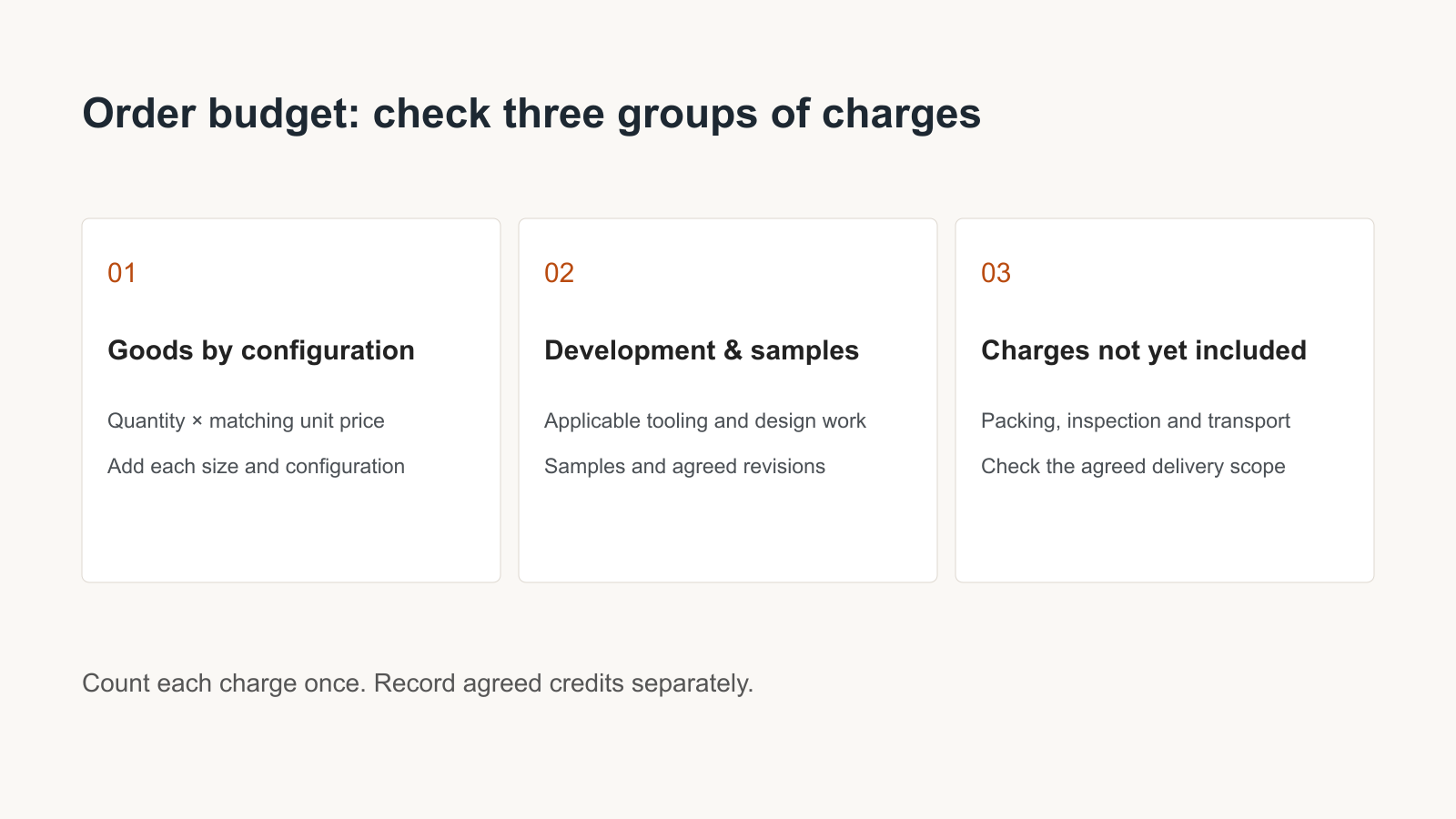
Separate the first-order budget into three groups: the goods total, applicable development and sample charges, and packing, inspection, delivery or other charges not yet included. This helps you see whether a design change affects the unit price, separately quoted development work, or both.
How Do Shell Materials and Finishes Change the Quotation Scope?
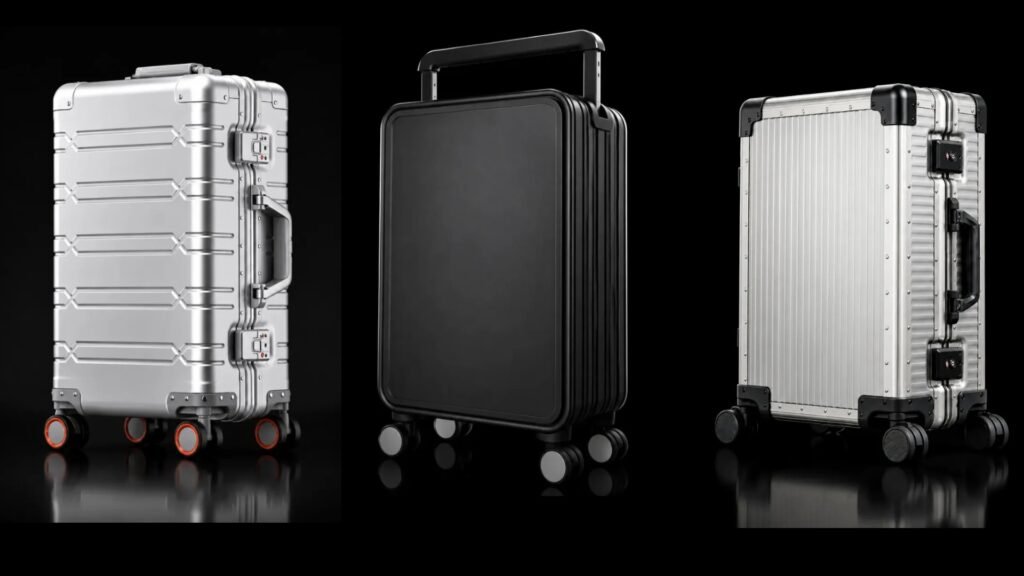
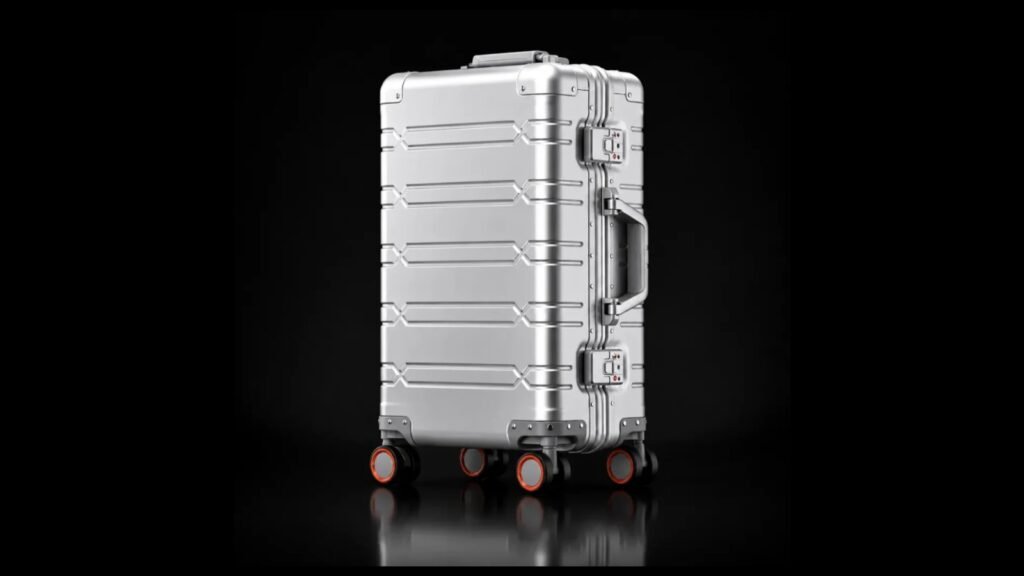
Start with the material. Our TS-006 is aluminum luggage, while the TT-001 uses a TC4 titanium alloy shell. Titanium refers to the shell material, not just the color. “Silver metal luggage” does not identify which material and model to quote.
Describe the finish separately too. Our TS-005 wide-handle aluminum model has brushed or sandblasted finishes followed by anodizing. Brushing and sandblasting establish surface texture. Even when the final color is the same, the preceding treatment requirements can differ.
The Aluminum Anodizers Council’s technical guidance explains that mechanical finishing takes place before anodizing, and that the anodic oxide follows rather than hides the underlying texture. A color name alone therefore does not fully specify the finish.
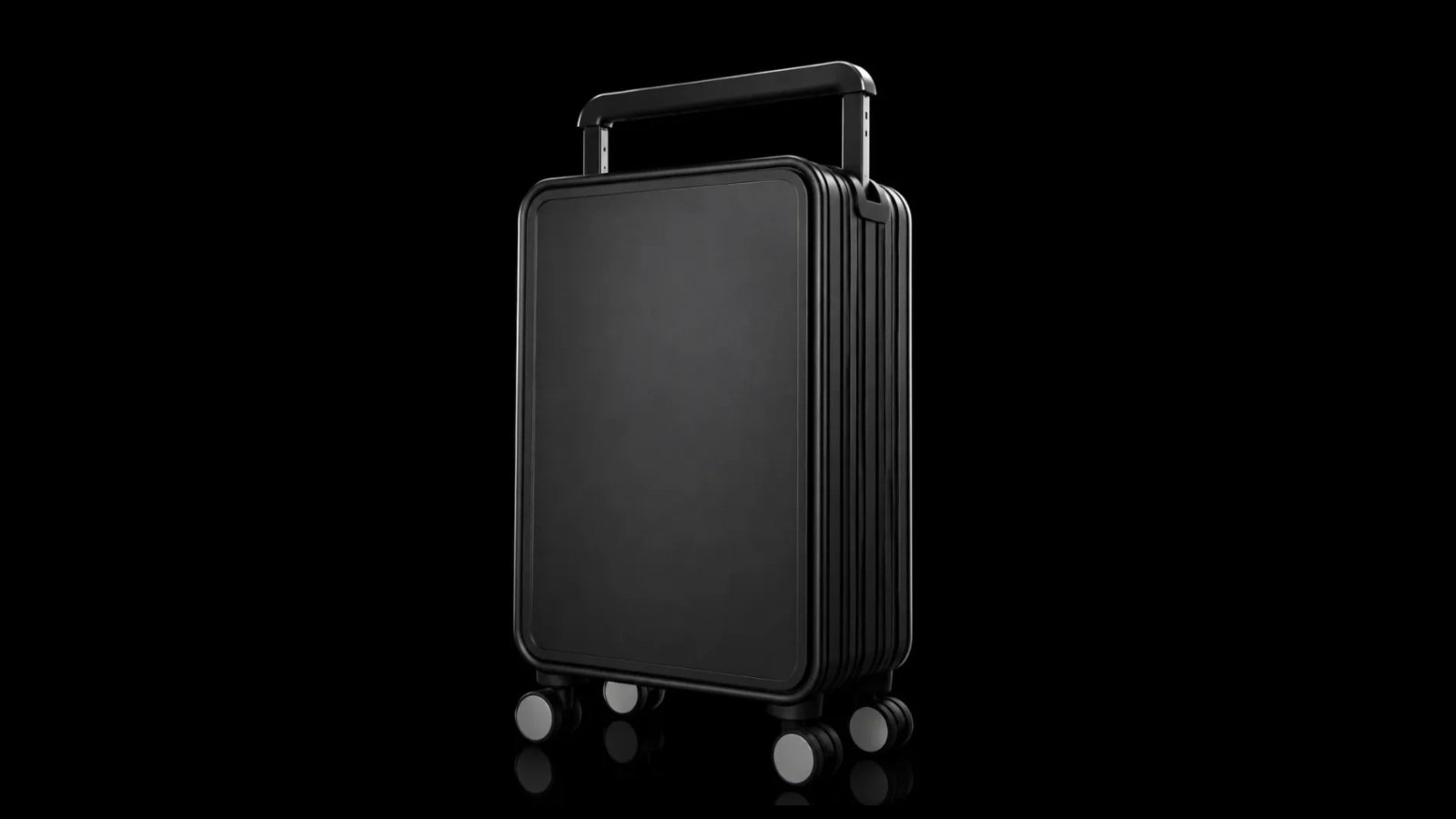
If you want a matte black case, send us the texture, color and gloss you have in mind, using a physical reference or clear close-up. The next question is whether an existing finish meets that requirement or a separate finish sample is needed. The quote covers the treatment and sampling scope; the sample confirms the appearance. The price difference depends on the proposed work, not simply the labels “brushed” or “sandblasted.”
What Changes Need Pricing When You Replace Hardware or the Interior?
Replacing wheels, trolley handles or locks involves both the components and the work needed to fit them to the selected model. Provide a component model or reference part and identify the suitcase, so we can discuss whether the existing installation can be retained and where adjustments may be needed.
“Quiet wheels” and “premium handles” are descriptions, not component specifications. Before comparing prices, identify the parts in each proposal and whether related installation changes are included.
Consider an illustrative interior project: you select the TS-006 for corporate gifting and want it to hold a specified set of items. Our customization scope includes lining, trays, dividers and straps. The item dimensions, arrangement and securing requirements are the starting point for comparing existing dividers with a custom tray.
Once the tray dimensions, material and attachment method are defined, the discussion can cover fabrication, installation and whether dedicated tools are needed. The sample needs to answer a practical question: can the items be placed and secured as required? The interior then has a defined scope to quote and requirements to check in the sample.
What Development Costs Apply to Existing Models and New Tooling?
Starting with an existing model lets you retain its shell size and profile while discussing changes to the finish, branding, hardware or interior. New shell dimensions, corner profiles or formed patterns require further assessment of drawings and tooling. Discuss these scopes separately rather than combining them into an undefined “full customization” charge.
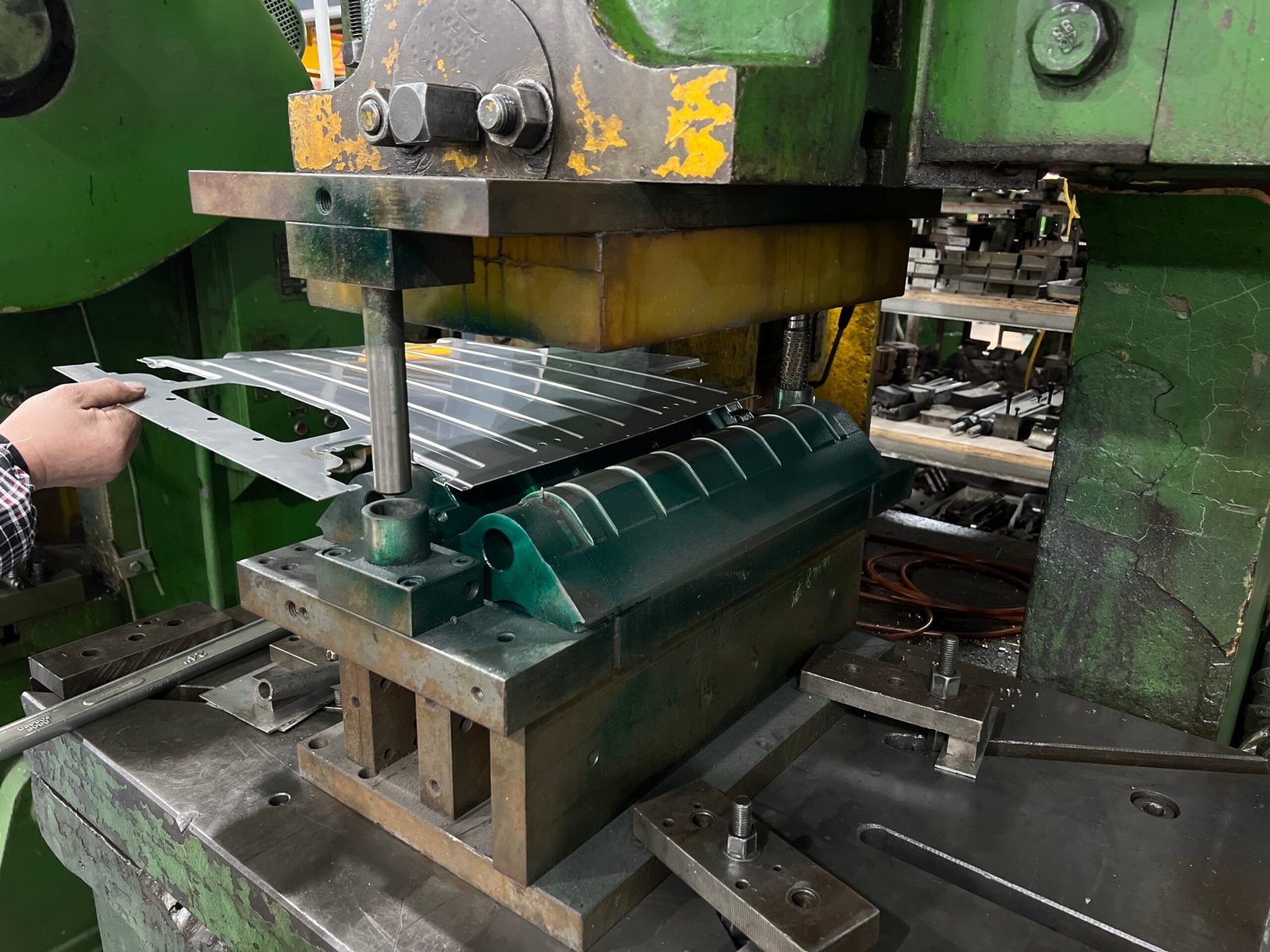
Our development capabilities include CAD, prototyping and CNC tooling. You can start with a sketch, reference sample or specification brief. Mark what stays and what changes, then discuss what is already available and what work needs to be added.
For the TS-006 gift-tray example, separate two parts of the budget: the change in product unit price for the tray and its installation, and the development, sample or applicable tooling charges needed to establish the design. Calculate the first against the order quantity. Check the project quote to see whether the second is included or charged separately. This shows how the interior customization affects first-order spending.
Whether the tray needs dedicated tooling depends on its design. An interior change alone is not a basis for charging for a complete set of new shell tools.
The sample charge should also match what you need to review. Checking an interior layout covers different requirements from checking the specified finish, logo and branded packaging as well. List the sample configuration before arranging it, and review added work and charges if revisions are needed. Sampling an existing model takes 20 days; new-tooling projects and bulk delivery need separate schedules.
How Do Quantity and Size Mix Affect Unit Price and Your First-Order Budget?
For larger wholesale metal luggage orders, obtain quotes for the same configuration and delivery scope at the quantities you are considering. Compare the unit price and the full goods total. The value of a lower unit price depends on the additional quantity you must buy and the total first-order spend. Any quantity discount must come from the actual quote.
If a project has a confirmed tooling development charge, divide it by the planned allocation quantity to see its contribution to the per-unit budget. A larger quantity spreads that charge across more units, but payment amounts and timing still follow the agreement. Unconfirmed future orders should not be counted as a discount already available on the first order.
Calculate the product mix line by line. The TS-006 has 20-, 24- and 28-inch options. Match each size and configuration to its quantity and unit price, then add the line totals. Do not multiply the 20-inch price by the entire mixed-size order.
Full customization of our existing models starts at 300 pieces per model. Different colors and sizes of the same model can count toward that total, with no separate minimum for each color or size. This lets you plan a mix within one model, but it does not mean every size, finish and configuration has the same unit price. See our guide to mixed colors, sizes and minimum order quantities for the quantity rules.
Which Packing, Inspection and Shipping Charges Need a Separate Check?
First establish which packaging the unit price includes. Plain cartons, branded printed packaging and buyer-supplied packaging have different requirements. Do not count an included charge twice; keep undecided items marked as awaiting quotation.
State quality requirements at the quotation stage too. If you arrange third-party inspection or require specified testing, verification or documents, list the scope and establish who arranges and pays for it. Check factory quality control separately from additional services you request, so costs and arrangements are settled before shipment.
A freight quote needs packed carton dimensions, gross weight, units per carton, total carton count and destination. For express shipping, DHL Express uses the greater of actual and volumetric weight as chargeable weight. A change in external packing volume can therefore affect shipping charges. Obtain quotes for ocean freight and other services against the transport plan you will actually use.
If your target is the total cost delivered to your warehouse, specify its location. Check which transport, insurance, destination handling, duties and taxes, and final delivery charges are included or separately arranged. Compare delivery quotes for the same destination and scope.
How Do You Compare Two Quotes for the Same Suitcase?
Return to the TS-006 gift-interior example. Assume both proposals use the same model, size mix, quantities, finish, wheels, trolley handle, logo and external packaging. Comparing only the existing interior and the custom tray shows the work associated with that interior change.
| Comparison item | Option A: existing interior | Option B: custom gift tray |
|---|---|---|
| Product requirements | Use the existing dividers and check whether they meet the intended use | Arrange and secure the specified items in defined positions |
| Fabrication and installation | Identify the retained fabric, color and divider configuration | Identify tray dimensions, material, attachment method and related changes |
| Sample review | Check the selected interior against the intended use | Check that the items can be placed and secured as required |
| Packing and freight data | Quote freight using the final packed dimensions and gross weight | Use this option’s packing data; do not simply reuse Option A’s gross weight |
| 1. Goods total | Add quantity × this option’s unit price for each size and configuration | Use the same quantities × the corresponding tray-option unit prices |
| 2. Charges not included | Add development, samples and applicable packing, inspection and delivery charges outside the goods total | Add the corresponding excluded charges, including applicable development, sample or tooling fees; use the same scope for other charges as Option A |
| First-order budget | 1. Goods total + 2. Charges not included | 1. Goods total + 2. Charges not included |
Use the same currency and delivery scope for both options, and check payment terms and quote validity. Fill in amounts from the actual quotations. Keep unquoted items marked as awaiting confirmation rather than counting them as zero.
Option B’s first-order budget minus Option A’s first-order budget is the budget difference for choosing the custom tray. Then identify where the difference comes from: the interior configuration on each case, project charges such as development and samples, or changes in freight data. This connects the product choice to the spending it requires.
If the existing dividers meet the requirement, you can keep Option A. If the items require Option B’s arrangement and securing method, base the choice on whether the sample meets those needs and on the complete budget.
Which Requirements Should You Keep or Adjust on a Limited Budget?
Tell us what the product must achieve. For a branded collection, that may be the specified shell material, surface appearance or unique profile. For a corporate gift program, it may be accommodating and securing a defined set of items. The intended use determines what the budget needs to preserve.
If you mainly need your own color, logo and interior, start by comparing customization on an existing model. If a unique shell profile is essential to the product, keep the corresponding development work in the budget and discuss other options. Apply the same approach to interiors and packaging: establish what meets the purpose, then compare the quoted differences.
Compare one change at a time. Replacing the finish, wheels, interior and packaging all at once may produce a lower total without showing which product changes account for it.
For a quotation, send your reference model or design, quantities by size and color, required features, areas open to change and destination. If you have a target budget, say whether it is a product unit price or a total delivered cost. Submit these details through our custom metal luggage page so the proposals and quotation address the product you want to make.
Tell us about your luggage project
Share your preferred model, quantity and customization requirements.