Luggage Lining: Fabric and Interior Layout
Start with what customers will pack. Choose the fabric’s color and feel from physical samples, then check pockets, dividers and straps in a packed case. You need both reviews: the swatch shows the cloth; the finished sample shows how the interior works.
Send us your chosen metal luggage model, an interior photo marked with the changes you want, and a list of the items it must hold. For example, mark a pocket you want to keep and a divider you want to remove. This gives us a starting point for the fabric choice, pocket positions and sample layout.
What Will Your Customers Pack?
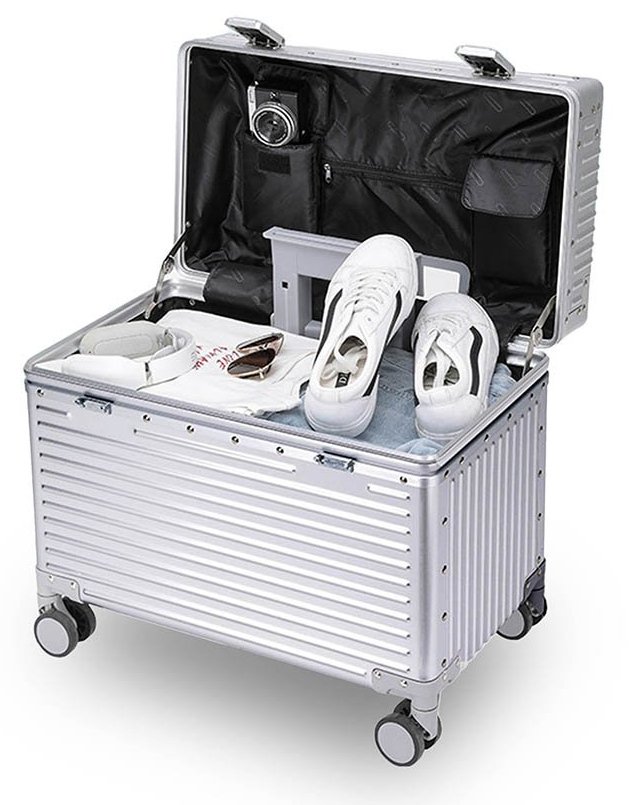
List large items such as clothing, shoes or products in a gift set. Then list the smaller items that need a separate place. Note which items must stay apart and which customers need to reach without unpacking everything.
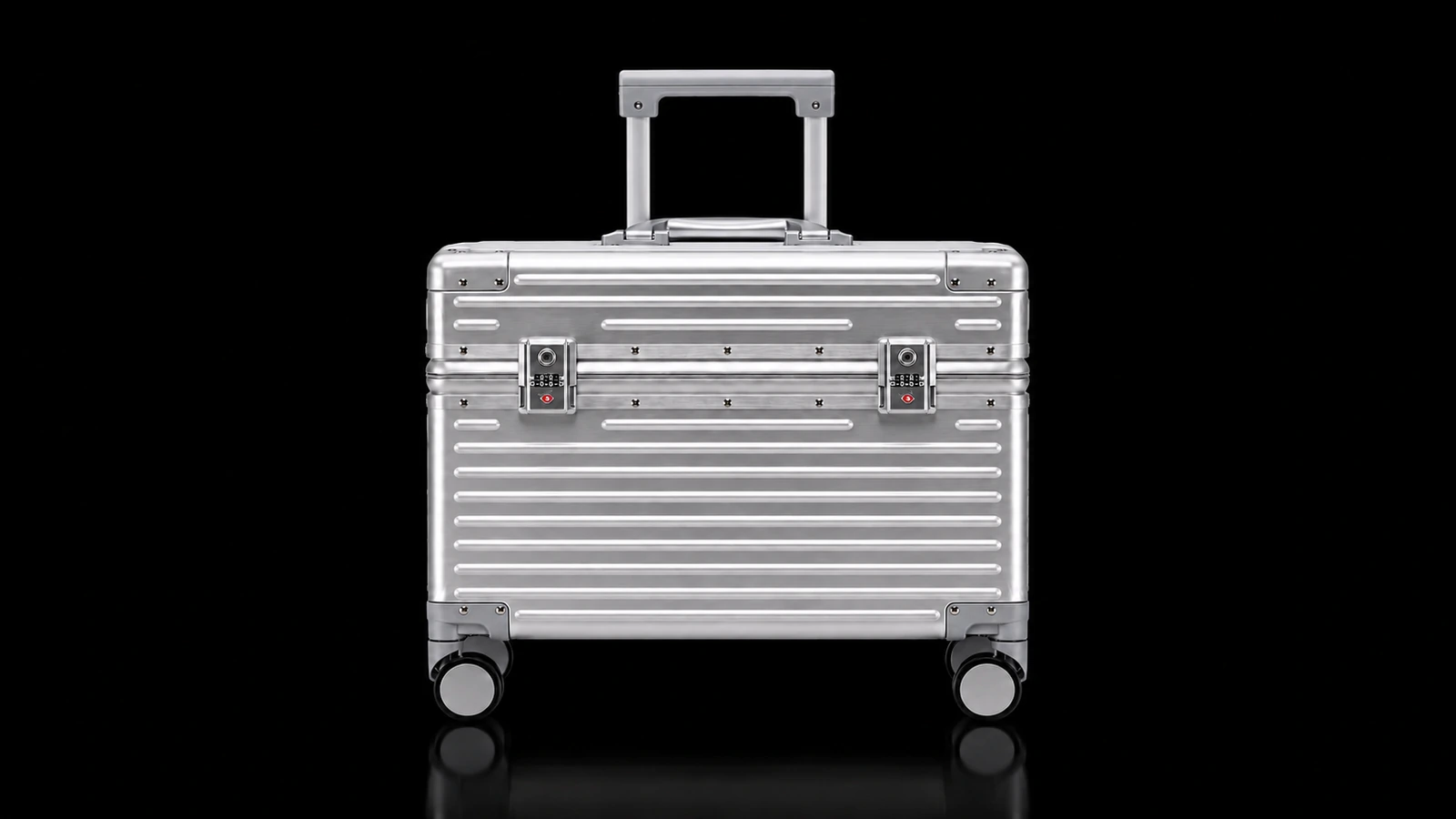
Our TS-009 has one main compartment and pockets inside the lid. You can keep the main space open for larger items and discuss lid storage for smaller belongings. Its lining, pockets and inserts can be customized for the items you plan to carry.
For a specific product, send its length, width and height, or a sample of the item. Include any pouch or retail packaging that must fit with it. Mark whether you want a fitted insert to hold it in position or a pocket for separate storage. The sample can then be checked with the same item and packaging.
How Should You Compare Lining Samples?
Label the samples A and B and compare them under the same light. Feel both faces, fold the cloth and listen to how much it rustles. Look at the color, texture and sheen on the side that will show inside the case. Write a specific preference, such as “A’s color, but B’s softer feel,” rather than “make it more premium.”
Record the fiber and weave separately. Polyester is a fiber; plain, twill and satin are weave types. Ask for the swatch code and the fabric details, so a name such as “polyester lining” does not stand in for the full specification.
| Compare | What to record |
|---|---|
| Fabric reference | Swatch code, fiber content and weave. |
| Appearance | Color, texture, sheen and the face that will show inside the case. |
| Feel and thickness | Feel, flexibility and any specified weight or thickness. |
| Finish | Any coating, backing or other treatment on the sample. |
Next, review a sewn pocket or divider. At a pocket edge, check the cloth together with the zipper tape and binding. Fold and use that edge to judge whether the finished detail feels too bulky or stiff.
Keep the selected swatch and color reference. If you send us an existing lining to match, tell us what matters: its color, surface, softness or another detail. Use photos to explain the request and a physical sample to compare the cloth.
How Do You Check Dye Transfer and Wear?
A lining can look right on a swatch but still need checks for color transfer, surface wear and sewn joints. Review these separately before approving the interior.
Dye transfer: the concern is lining color rubbing onto the contents. A rubbing test uses a cloth or pad to collect any transferred color. Check the staining result for the actual fabric and color you selected, and whether it covers dry rubbing, wet rubbing or both. A dry result alone does not answer a wet-rubbing requirement.
Before testing, state the minimum staining rating your project will accept. Then compare the reported rating with that requirement. If it falls short, leave that fabric and color unapproved, discuss another candidate, and check its result under the same conditions before selecting it.
Wear: an abrasion test repeatedly rubs the fabric against a specified surface under controlled pressure. Review photos or the tested piece as well as the result: what changed on the surface, and is any area visibly damaged? Record the rubbing surface, pressure, cycle count and the damage being assessed. A cycle count alone does not tell you what condition the cloth was in afterward.
If the result does not meet the agreed requirement, compare another candidate using the same test conditions. Do not select a replacement just because it feels thicker. Use the test result to choose the material, then review that cloth in a sewn pocket or divider.
Seams and attachments: put the intended items into the sample, close the pocket zippers and fasten the straps. Inspect pocket corners, the joins beside zipper tape and the stitches holding the straps. Look for loose or broken stitches, a seam pulling open, or fabric tearing beside the stitching.
Photograph the problem and mark its exact location. State whether the thread broke, the seam opened or the fabric tore, so the proposed change addresses the observed damage. After revision, repeat the check with the same contents. This use check does not provide a measured strength result; specify a test on the assembled pocket or attachment if you need one.
Our luggage testing and reports guide explains how to choose the test conditions and check that a report covers your selected material or part.
Where Should Dividers, Pockets and Straps Go?
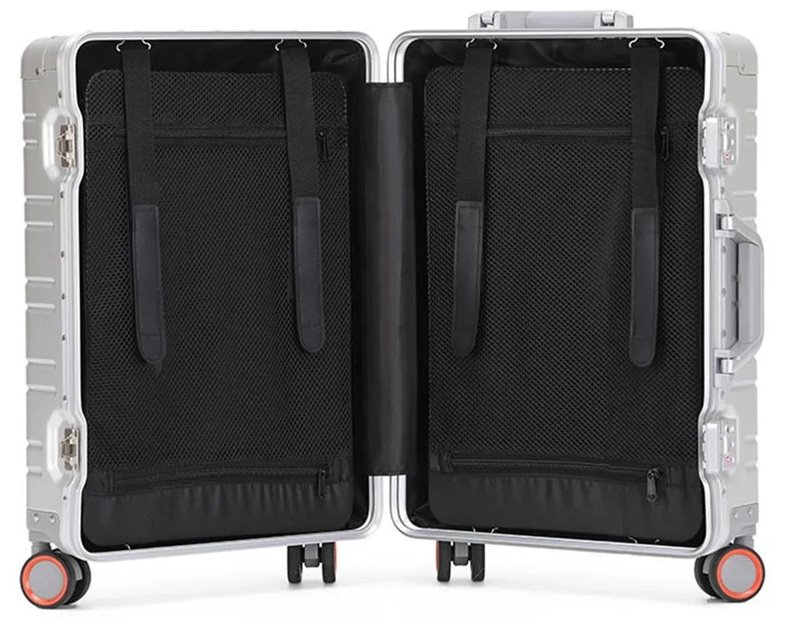
Our TS-006 has two packing sections with mesh dividers and straps. Mark the parts you want to keep or change on its interior photo.
Mark each pocket opening on the photo and name the items it must hold. For example, if a document pocket needs to stay accessible, pack the main compartment and try taking the documents out. If clothing covers the opening, mark a new position to try on the next sample. For a divider, draw its covered area and opening direction.
Show the straps on the same sketch. Pack the intended items, then check that the fastening is easy to reach and use. Open the pockets and divider as well, to see whether any strap or packed item blocks them.
For a range of sizes, show the layout for each size. Keep a shared visual style where you want it, while checking pocket dimensions and fixing positions on each case.
What Should You Check on the Finished Sample?
Pack the finished sample with the intended items. Review these three points:
- Storage: put items in the pockets, use the zippers and dividers, and fasten the straps. Check access while the main compartment is packed.
- Closure: close the case and operate the latches. Look for lining, binding or loose straps caught at the frame.
- Sewing and appearance: inspect seams, pocket corners, fixing points and loose fabric. Compare the cloth and color with the selected swatch.
Describe revisions by location and problem. For example: “The packed clothes hide this pocket opening. Move it to the position marked on the photo, then check the next sample with the same contents.” This gives us a specific change and a way to review it.
Identify the model, size and sample version on the feedback. Our sample approval guide covers the rest of the case review and the production handoff.
What Should You Send for a Lining Quote?
Send the following with your case reference:
- Case: model, sizes and quantities that need the interior.
- Fabric: swatch or existing lining to match, color and any known specifications.
- Layout and contents: a marked photo or sketch, pocket contents, item dimensions and strap requirements.
- Priorities: parts to keep and details you are willing to adjust.
- Checks: required material tests and the storage and closure checks for the packed sample.
If you have not chosen a layout, send the contents list and mark the closest existing interior. Separate the request into parts to keep, parts to move or resize, and parts to add or remove. Ask for the quotation to identify the included fabric and interior parts, so you can check the sample against the same list.
Send your preferred model or reference interior to begin a custom metal luggage project.
Tell us about your luggage project
Share your preferred model, quantity and customization requirements.